

A Foster Parent’s Guide to Common Street Drugs
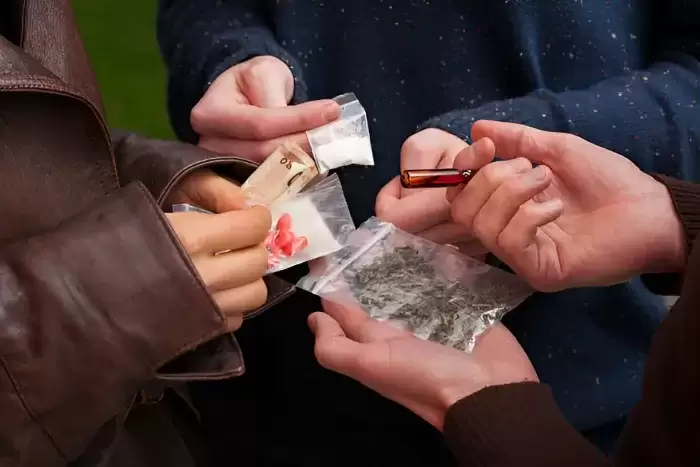
This blog helps foster parents understand common street drugs and substance use risks that may affect children and teens in foster care. It explains the signs, effects, and dangers of substances such as marijuana, vaping products, opioids, fentanyl, stimulants, alcohol, and prescription drug misuse. The article encourages foster parents to create safe, supportive, and trauma-informed environments while learning how to recognize warning signs and support youth who may be struggling with substance exposure or addiction.
Updated: May 15, 2026
Why This Knowledge Matters for Foster Parents
Many kids in foster care have grown up in situations where drugs were often used. They could have witnessed drug abuse at home, been affected by drugs before birth, or known addicts in their family. There are cases when teenagers begin using drugs after dealing with peer pressure, painful experiences, or tough emotions. Learning about common street drugs as a foster parent allows you to notice changes quickly, safeguard a child, and link them with suitable help.
Understanding Drug Culture Today
What drugs are available on the streets is not the same as it used to be. Drugs on the street today are not the same ones people used to see. Drugs sold on the streets today are more potent, low-priced, and dangerous; they may be mixed with hazardous substances like fentanyl. Many drugs can be called something else or look like candy, snacks, or vaping items. Because of social media, teens now see drug use as normal and can get to it more easily.
Because of their emotional and developmental struggles, foster youth are at a higher risk. Knowing the facts about today’s drugs helps you keep them safe.
Marijuana (Weed, Pot, Ganja, Edibles)
What it is: Teenagers are likely to use marijuana more than other drugs. It's made from the cannabis plant and used by smoking, vaping, or eating it in food items called edibles.
Signs of use: Their eyes may look red, their actions could be slower, their hunger might jump up, they might laugh strangely, or you may notice a strong herbal smell on their clothes.
What to know: While adults can use marijuana legally in some places, it still hurts the developing brains of teens. Long-term use may harm your memory, personal drive, and academic performance. Because edibles are stronger and act more slowly, they can make young people react extremely.
Alcohol
What it is: It's legal for adults to drink alcohol, but teens often use it the wrong way. You can find it in beer, wine, and spirits like vodka or whiskey.
Signs of use: Trouble talking, alcohol odor on the person, stumbling, or behaving recklessly.
What to know: Drinking may make it hard to make good choices and could cause harm. Some foster children use alcohol as a way to deal with difficult feelings or peer pressure. Even though underage drinking might look innocuous to friends, it usually points to bigger emotional needs.
Tobacco and Vaping
What it is: While cigarettes exist, vaping has started to be used by more people. JUUL, Elf Bar, and disposable vapes give users nicotine through a flavored vapor.
Signs of use: Frequent use of devices similar to USB sticks, a sweet smell on clothing, a constant cough, or more anxiety could be noticed.
What to know: Even though it is called 'safer,' vaping can be very addictive because of the high nicotine levels. Some of these devices are used for THC oil, which makes it difficult to tell if something besides nicotine is being used.
Prescription Drugs Misused (Xanax, Oxycodone, Adderall)
What it is: A lot of teens misuse prescription medicines, often getting them from friends, family, or through illegal sources. These include painkillers (OxyContin), anxiety pills (Xanax), and stimulants (Adderall).
Signs of use: Tiredness, emotional highs and lows, lack of enthusiasm, tiny pupils, or seeming detachment.
What to know: They look harmless since doctors prescribe them, but taking them without a doctor’s order can be very deadly, especially with opioids like oxycodone. Often, the pills sold without a prescription are fake and mixed with fentanyl, which can be deadly even in tiny amounts.
Cocaine and Crack
What it is: Cocaine looks like a white powder and is snorted, but crack is less costly and is smoked. Both are powerful stimulants.
Signs of use: You may see them seem restless, talk quickly, have nosebleeds, change moods, or get very active and suddenly crash.
What to know: Younger teens don’t use it much, but it can be a problem for older teens or those living in places where drugs are a big issue. Feelings of depression and risky behavior may follow the crash from use.
Methamphetamine (Meth, Ice, Crystal)
What it is: Meth is a very addictive stimulant that people may smoke, snort, or inject. Most of the time, it is produced at home and is very toxic.
Signs of use: People might notice sores on the skin, poor dental health, strong paranoia, becoming aggressive, or losing a lot of weight.
What to know: Meth can harm the brain and body in ways that do not go away. Users of meth may be really restless, say a lot, or act as if something is wrong. Using meth for an extended period can result in severe health and behavior problems.
Heroin and Fentanyl
What it is: Heroin is usually injected or smoked as an opioid. Fentanyl is a made-in-a-lab opioid, 50–100 times stronger than heroin, and is regularly mixed with other drugs unbeknownst to the user.
Signs of use: Someone slumping over mid-talking, tiny pupils, much slower breathing, or discovering needles or used spoons nearby.
What to know: The use of fentanyl has resulted in a major national problem. A lot of people die of overdose because they didn’t know fentanyl was mixed into their drugs. Trying “just once” doesn’t protect youth from a fatal overdose.
MDMA (Ecstasy, Molly)
What it is: A stimulant and hallucinogen that is often used when people are at parties or clubs. It is distributed in a pill or capsule shape.
Signs of use: You might see overheating, signs of dehydration, lots of energy that fades quickly, and carrying colorful pills.
What to know: Long-term use of MDMA may cause brain problems that affect mood and memory. Some of them contain unsafe chemicals.
Inhalants (Glue, Paint Thinner, Aerosol)
What it is: Things used daily that are inhaled to get a fast high. They are popular with younger children since they are easy to get.
Signs of use: Someone might have a chemical odor, wear clothes with paint marks, look confused, or have frequent nosebleeds.
What to know: Brain damage is possible from inhalants after a single use. People may not even notice, as these are legal things you have at home.
What to Do If You Suspect Drug Use
You should not assume the worst or talk to your foster child while angry. Keep your cool and record what is happening. If you think there might be drug use, talk it over with your caseworker, therapist, or placement agency. Offering help early is more helpful than punishing them. A lot of youth use substances because they are dealing with grief, trauma, or fear, not only to act out.
Contact emergency services right away if you see someone who is unconscious, having seizures, or struggling to breathe. Fostering teens in high-risk places means it’s important to have naloxone (Narcan) at home to reverse opioid overdoses and save lives.
Building a Drug-Free Environment at Home
Open communication is key. Ensure your foster child knows you will not judge them when they talk to you. Encourage open questions, lay out boundaries, and make sure your home’s rules stay the same. Encourage participation in positive hobbies, such as sports, music, and volunteering, to help them manage stress.
Be sure to keep medicines, cleaning supplies, and anything that looks like a vape out of reach and locked up. Keep an eye on your foster child’s online behavior and start conversations about peer pressure and experimenting.
Final Thoughts
Foster children need emotional love, a structured home, and adults who know their actions. When you know how street drugs work, recognize early warnings, and react quickly, you can help protect them. Knowing these issues might help guide a young person’s life in a positive direction.



If you're caring for teens in foster care, you don’t have to face these challenges alone. Visit FosterVA.org to learn how to recognize risks, support healthy choices, and connect youth with the resources they need to stay safe and build a stronger future.
What are you waiting for? Click here to help a child in need!