

Foster Children Demographics in Virginia

This blog provides key statistics and demographics about children in foster care in Virginia, including age, gender, race, and time in care. It explains why children enter foster care and highlights the importance of foster families in providing stability and support. The article also covers adoption needs and outcomes, emphasizing the ongoing demand for foster parents. Overall, it helps readers understand the realities of foster care and the impact informed families can have.
Updated: May 14, 2026
Demographics for children in Virginia Foster Care
Many children come into DSS custody each year. Consider all these statistics from VDSS as you learn more about the foster care system across Virginia as of Febuary 2026:
As you may know, a foster family cares for children in foster care. Here are the demographic statistics for children in Foster care in VA.
Foster Care Statistics in Virginia
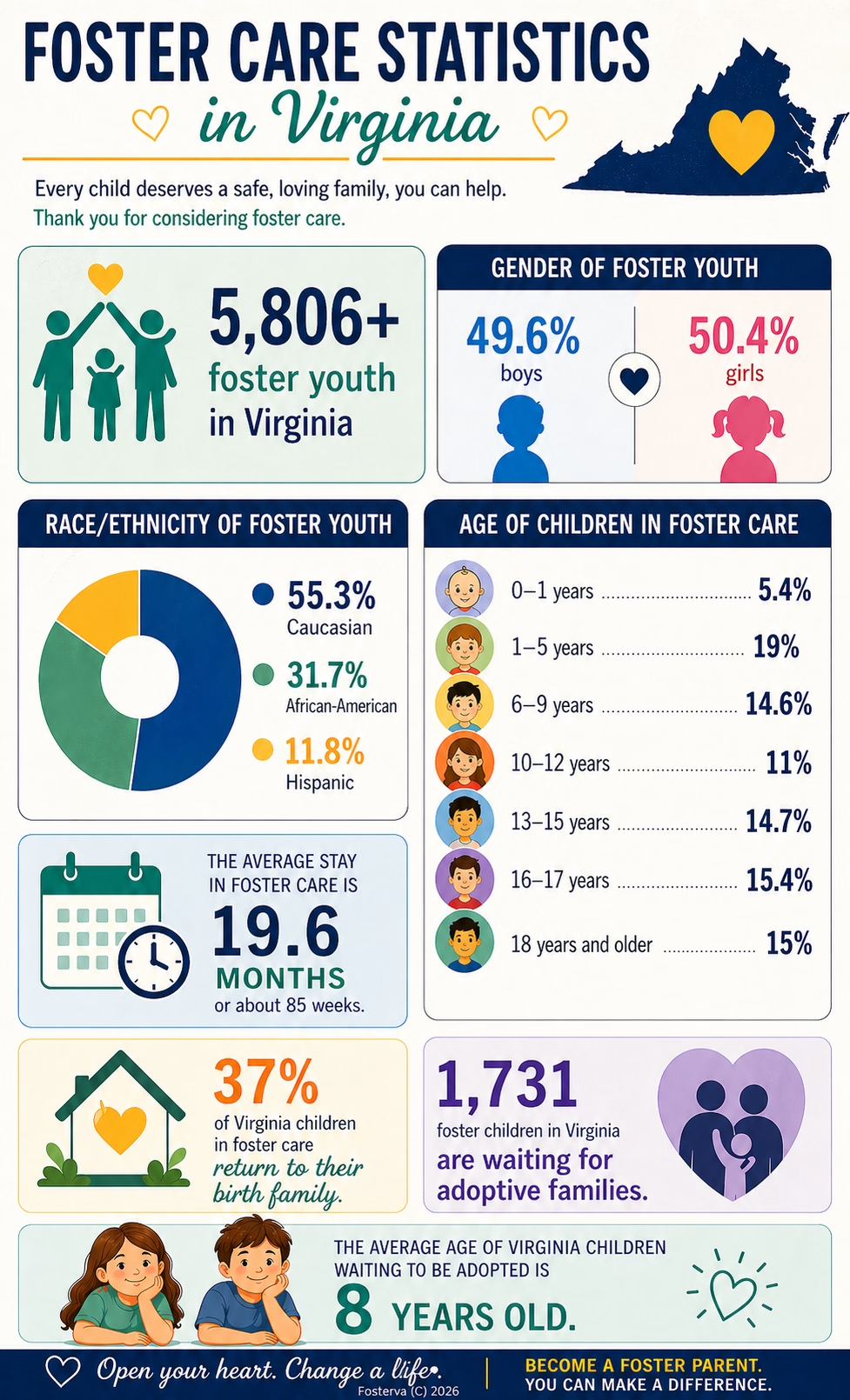
- There are over 5,806 foster youth in Virginia.
- Of the Virginia foster care children, 49.6% are boys, and 50.4% are girls.
- 55.3% of children in Virginia foster care are Caucasian
- 31.7.% are African-American
- 11.8% are Hispanic.
- 5.4% of the children in foster care are 0-1 years of age.
- 19% of the children in foster care are 1-5 years of age.
- 14.6% of the children in foster care are 6-9 years of age.
- 11% of the children in foster care are 10-12 years of age.
- 14.7% of the children in foster care are 13-15 years of age.
- 15.4% of the children in foster care are 16-17 years of age.
- 15% of the children in foster care are 18 years and older.
- The average stay in foster care is 19.6 months or about 85 weeks.
- 37% of Virginia children in foster care return to their birth family.
- 1731 foster children in Virginia are waiting for adoptive families
- The average age of Virginia children waiting to be adopted is eight years old.
Did you know that fostering a child fosters a family? Not all children need a permanent home; sometimes, they simply need a place to stay while their parents work to establish a more suitable home. During a child's placement, the foster family may also work with the child's parents to help maintain familial connections.
We have found at FosterVA that families are more successful with their fostering journey when informed about the foster care process. What follows are some definitions for some Virginia foster care terms and stats.
Foster Care Defined
It is a system in which a minor has been placed in a ward, group home (residential child care community, treatment center, etc.), or the private home of a state-certified caregiver, referred to as a "foster parent or resource parent," or with a family member approved by the state.
Why are kids in foster care?
Children are in the Virginia Department of Social Services (VDSS) care because they or their families are going through a crisis and complex trauma. Often, these children, from babies to teens, have been removed from their parents because they are unsafe, abused, or neglected, or their parents cannot care for them, so they are placed in foster care and adoption services.
A Foster care program is meant to be temporary until a parent can get back on track, or a relative, guardian, or adoptive family agrees to raise the children or a child. By law, children should contact family kinship care, or kinship families may support their parents, brothers, and sisters through regular visits. This will help the child's mental health in a therapeutic foster family home TFC, and we hope they stay with a sibling group, so they have a support group while in the foster care placement.
Foster Parent Defined
Foster parents are relatives or non-relative adults who step up to care for children who have experienced abuse or neglect or whose parents cannot care for them. They try to provide children with as much caring and normalcy as possible while also helping prepare them for permanent placement through a return to birth parents or adoption. The county DSS or the child-placing agency licenses foster parents and completes the home study and all background checks, so any child who enters foster care will be safe while in the United States child welfare system.
Children are ultimately placed in the Virginia care system when a child protective services worker and the court have determined it is unsafe for them to remain at home. Displacement from their family and disruption of their usual routine and familiar surroundings are traumatizing for many children.
Children in foster care need strong relationships with caring adults, a network of social support, and services to cope with challenging circumstances or home removal. If they do not find this through social services agencies and Child Placing Agencies, a reality for young people will be that they will age out of foster care with no life support and will not gain independent living and long-term success.
Foster parenting can be one of the most challenging and rewarding responsibilities you could have. It's an opportunity to give a child(ren) love before they feel neglected; to provide them with compassion before they feel dismissed; to hug them before they are abused.
As a foster parent, you can offer a true family to a youth who may have never had one. We would love you to take the next step and learn more about becoming a foster or adoptive parent.
Consider the journey to help a child in the foster care system find love and support.
All the above Virginia Demographic stats can be obtained on the DSS.Virginia.gov site used in this article and collected by DSS social workers. This link provides the most up-to-date stats each month.



Understanding foster care is the first step toward making a difference. Connect with a foster care advocate today to learn how you can support a child in need.
What are you waiting for? Click here to help a child in need!