

How to Understand a Child’s Cultural Differences in Foster Care
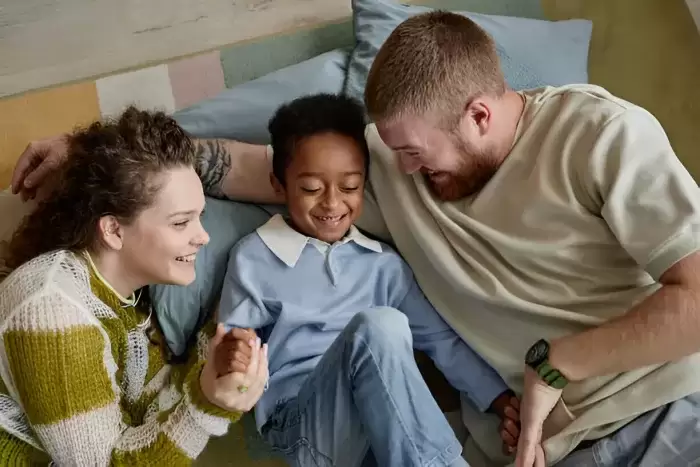
This blog explains how essential cultural identity is for children in foster care and how losing connection to language, traditions, food, faith, or community can deepen trauma. It highlights how cultural disconnection affects behavior, self-esteem, and emotional safety. The article guides caregivers in creating culturally responsive homes, learning from communities, supporting language, engaging birth families when possible, and navigating cultural differences with sensitivity so children feel seen, respected, and valued.
Updated: Feb 13, 2026
As soon as a child enters the foster care system, they are faced with many emotional and physical problems. They might have lost their family, community, and all they had ever known. The most crucial aspect that comes into the background is their cultural identity. A child’s culture determines how they perceive the world, act, and feel safe.
Realizing and treating a child’s cultural background is not a gesture of kindness but a necessity for their mental health and development. All cultural details—whether language, food, religion, traditions, or values—all contribute to the child’s sense of self. For foster parents and caregivers, knowing about these differences is a step towards creating a supportive, inclusive, and long-lasting bond.
Recognizing Cultural Identity in Children
Every child has a cultural background, defined clearly or merged with many experiences. Culture is not simply race or ethnicity; it’s religion, traditions, language, social norms, and even the roles of family members. For children in foster care, especially those with families from different backgrounds, this aspect of their identity may feel lost or overlooked if not recognized.
There are many ways children could express their ties with the culture: fondness for specific foods, speaking in a certain tongue, celebrating holidays, or allusions to values imparted via the birth family. Foster families must watch and listen carefully to recognize these signs. Recognizing cultural identity means perceiving the child not as a placement or need but as a whole person.
The Impact of Cultural Disconnection
And with a child being placed into a home where their culture isn’t recognized, it can lead to emotional distress. They can feel invisible, misunderstood, or forced to hide who they are to fit in. This might increase feelings of isolation, particularly if the child is experiencing trauma, grief, or fear.
The lack of cultural connection may also influence how children act or communicate. An out-of-place child may withdraw, become angry, or become confused. Statistically, over time, this can affect their self-esteem, schoolwork, and capacity to develop healthy relationships.
Families that foster who do not focus on cultural identity may inadvertently deliver the message that it does not matter what happened to the child in the past. This can leave emotional scars for long and slow healing.
Creating a Culturally Responsive Home
A willingness to learn introduces an understanding of cultural differences. Foster families don’t have to be experts in all cultures, but they do have to be curious, open, and respectful. Making a culturally responsive home involves the availability of the child’s traditions, beliefs, and personal history.
This can start with the little, thoughtful ones—learning how to pronounce the child’s name right, making them eat familiar food, or recognizing significant holidays from their background. Books, music, and toys that reflect the child's culture may also make a difference.
It’s also vital to maintain an open line of communication. Let the child share what they find meaningful and articulate their identity with regard to their culture without fear of being judged. Some children might want to speak about their background immediately, but others will need time to feel safe. Patience is key.
Learning from the Community and the Resources
No foster parent has to do this alone. Numerous communities provide support groups, cultural institutions, and training for foster families to learn about diversity more deeply. Participation in cultural festivals, community centres, or language classes is a way for parents to help their children bridge the gap and feel their heritage is valued.
It is also possible to gain useful information by reading about the child's background or talking to members of the same cultural group. Some agencies provide cultural sensitivity training or appoint mentors to assist families in transition. These resources can help foster parents become better, inclusive caregivers.
Working with the Birth Family When Possible
In some foster care cases, one may find an opportunity to interact with the child’s birth family. The child will have continuity when any suitable and safe approach involving the birth family can help maintain vital cultural traditions. They may be able to share details about holidays, recipes, religious practices, or family stories significant to the child.
If actual contact is not possible, social workers may also collect information about the child’s background and provide this to the foster family. Any attempt to understand and protect the child's culture is a move in the right direction.
Supporting Identity Through Language
Language is an essential aspect of a person's cultural identity. If a child speaks a different language or has a bilingual home, attempts to preserve that language should be supported. This may include learning some basic phrases, using translation launches, and enrolling the child in language programs.
Keeping the child's language skills allows them to have a connection with their roots, which is comforting in a time of transition. It also sends a loud message that who they are and where they come from are valued and respected.
Conflict caused by Cultural Differences.
Cultural differences can sometimes lead to confusion or conflict in the home. A foster child may not know what’s expected of him/her in terms of the household rules, may respond differently to discipline, or have beliefs that conflict with the family lifestyle. These issues are typical and should be approached with sensitivity, kindness, and respect.
Rather than correcting the child or hoping they can adapt quickly, foster parents should wonder about the origin of these differences. This is a chance to learn together and discover a compromise. Consistency, patience, and good communication make the child feel safe and make the transition into the home easier.
Long-Term Benefits of Cultural Awareness
If the foster families commit to respecting the child’s cultural identity, the benefits in such cases are long-term. Children become more confident, respected, and rooted. They are more likely to recover from trauma, develop deeper relationships, and have a positive self-concept.
Cultural awareness also teaches children to appreciate others’ differences. It enables them to become more resilient and prouder of their heritage. For the foster parents, this trip provides deeper, more meaningful connections and a more enriching family experience in general.
Conclusion: Building Bridges, Not Walls
Foster care is not just about giving a child food and a place to be, but a place where they feel seen, safe, and liked. Learning about the cultural differences of a child is part of that mission. It is all about bridges, not walls. All children should be able to wear their culture with pride, and all foster homes can provide the means to make that a reality.
With every child, foster families can show these values and become a healing force that will last a lifetime.



If you're caring for a child from a different cultural background, taking time to learn, listen, and honor their traditions can profoundly strengthen their sense of safety and identity. Small acts of curiosity and respect can help a child feel seen, understood, and connected to who they are.
What are you waiting for? Click here to help a child in need!