

Permanency Outcomes in Foster Care in Virginia
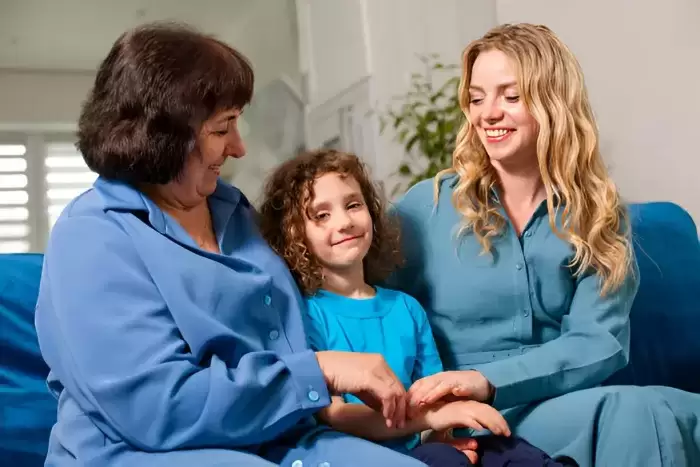
This blog explains what permanency means in Virginia's foster care system, why it matters for children's emotional and developmental well-being, and where the system struggles. It outlines the three paths to permanency reunification, adoption, and guardianship while detailing delays, structural challenges, and the long-term risks when youth age out without a permanent home. The article emphasizes reforms, kinship care, and the power of stable relationships in helping children heal and thrive.
Updated: Feb 13, 2026
Every year in Virginia, many children need to enter foster care because abuse, neglect, and unsafe family living conditions leave them without proper care. The objective of sheltering children during this process is to discover a permanent home that provides stability and love. The route toward becoming permanently placed serves vital functions for children's psychological progress and their future achievements. The process to achieve permanency faces multiple challenges because the system operates with limited capacity.
Knowledge about Virginia's foster care system permanency framework and its observed shortcomings enables the support system to best meet the needs of vulnerable children.
What Permanency Really Means
In foster care, a permanent living arrangement signifies a child obtaining a stable and secure family environment where they can grow up securely. The improvement of family conditions allows birth parents to regain custody of their children unless the children are adopted or placed under legal guardianship. The three main paths of permanency include reunification, adoption, and guardianship, which both foster care and child welfare systems identify as essential outcomes.
Permanency seeks to create safety through emotional security as its central goal. Children need enduring emotional bonds with a sense of belonging, and they need to have faith in adults who will stay by their side for tomorrow and through every upcoming year. A long-term stay in foster care and many home transfers create risks for the mental growth of children, alongside harm to their self-esteem and potential future security.
Virginia’s Permanency Landscape
The state of Virginia continues to enhance its foster care system, but it continues to face difficulties in its reform efforts. Historically, according to permanency timetable statistics, Virginia has been among the states performing poorly. Children under foster care in Virginia stay for longer periods than the standard duration, and many disconnect from the system without finding a secure place of residence.
The Virginia foster care system had more than 5,000 children in its custody in late 2023. The overall duration of children's foster care exceeds 18 months, even though social workers ultimately achieve permanent placements for most children under their care. Long-term foster care exposure makes it difficult for children to develop trust and establish healthy relationships, as well as achieve emotional and academic catch-up.
The delays in foster care placements occur primarily because Virginia lacks sufficient resources, such as trained foster parents and legal mechanisms and services tailored to help families stay together. Systemic problems such as inadequate staffing of caseworkers and policy shortcomings, delay both decision-making processes and prevent families from getting the necessary support.
The Struggle for Reunification
Birth family reunification is the preferred type of permanency solution, mainly for young children. The child retains their right to family-based care whenever such placement is secure and achievable. Virginia fails to achieve reunification at lower rates than other states nationwide. Each year, Virginia achieves reunification at a rate lower than one-third of the total foster children, despite national statistics indicating that reunification occurs for nearly half of all foster children.
The low reunion rates are not produced by insufficient effort or compassion. Despite facing intricate family issues, including substance usage, mental health disorders, and poverty-related problems, many families need extended assistance to work through their issues. The opportunity for family reunification runs out because these families might not receive the support services they need at the right time.
Children who live in foster care frequently spend very long durations waiting for home reunification before learning that their home return is impossible. When they experience these emotional consequences, they become devastated and develop long-lasting relationship perceptions that will affect them into adulthood.
The Role of Adoption and Guardianship
Family reunification proves impossible, which leads to adoption becoming the most suitable path. Adoption presents a lasting family and new opportunities to numerous children who live in Virginia. The process of adoption proves challenging for young people above ten years old or children who present emotional or behavioral challenges. Some potential adoptive families stay away from adopting older children because they worry about how much adjustment the child will need, along with worries about trauma issues.
The state of Virginia enables legal guardianship to serve as an official means of gaining permanent status. This situation suits families where an extended family member or long-term custodian wishes to care for a child but abstains from formal adoption procedures. Under guardianship, children receive stability and the protection of their original family relationships. This option is employed less than adoption or reunification while providing potentially shorter-term support than a formal adoption arrangement does.
A child requires permanent placement through reunification, adoption, or guardianship to achieve a sense of belonging and create stability in their life. The absence of permanent placement creates substantial dangers for the child.
When Permanency Fails: Aging Out of Foster Care
The worst failure of foster care involves children reaching adulthood without obtaining a stable family to support them. The statistics show that too many children experience this outcome in Virginia. Hundreds of youth reach the ages of 18 and 21 while remaining in foster care because adoption and family reunification have not occurred. These young adults depart the system without receiving sufficient preparation or adequate support systems or professional connections, which would allow them to become self-sufficient.
The statistics demonstrate that foster children who must leave care before they turn 21 face higher probabilities of experiencing homelessness, joblessness, and psychological issues, along with incarceration. These young people face adulthood independently, even though their deficits in ability and potential are nonexistent. Virginia has initiated expanded programs that provide transitional assistance to older foster youth through educational benefits, residential support, and essential life skills education. These services cannot replace the essential role of family in the lives of young people.
A System Working Toward Change
The state of Virginia is successfully working toward fixing the gaps within its foster care system. The state has established reforms to allow children to stay in their homes when safe, while working toward cutting group care usage and speeding up permanency placement. Kinship care programs, which place children in the care of family members or trustworthy friends, have gained popularity in recent years, thus allowing children to preserve their cultural heritage and maintain emotional connections.
Several initiatives have started to improve foster parent education standards, simplify court procedures, and extend services to families facing crises. For permanent change to become effective, these initiatives require continuous financial support, leadership direction, and community membership.
The fundamental driver of permanency is how people connect with children through rehabilitative relationships. The likelihood of foster youth achieving good outcomes becomes significantly higher when they experience feelings of being observed, listened to, and affectionate. All children require one person who assures them they will stay by their side. This person could be a biological parent, relative, foster family member, or mentor.
Looking Ahead
A policy for permanency represents a verbal guarantee that children deserve. This guarantee exists to prevent children from experiencing life independently. The state of Virginia has made substantial progress, yet further funding, combined with innovative approaches and empathetic programs, should be maintained to reach the next phase.
The experience of foster care has demanded more pain from children than most people will face throughout their lives. The system requires human advocates who believe in their worth instead of using paperwork as their main tool. The process toward permanency requires time to solve all problems at once. A future they can count on becomes possible by providing a place to land and a name to call family.



If you’re exploring how to support children in care, consider learning more about permanency, becoming an advocate, or opening your home to a child who needs stability. Every step you take helps create the lasting connections every child deserves.
What are you waiting for? Click here to help a child in need!