

The Effects of Abuse, Neglect & Exploitation on Children
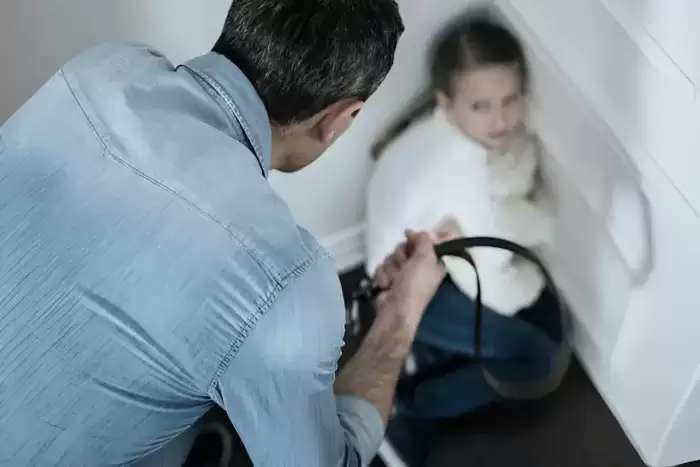
This blog explains how abuse, neglect, and exploitation affect children emotionally, physically, and developmentally. It describes short-term and long-term impacts, including fear, shame, disrupted brain development, health issues, and social challenges, while highlighting how trauma shapes behavior and self-worth. The article emphasizes early intervention, community responsibility, prevention, supportive caregiving, and strong laws and policies. It also shows how healing occurs through safety, stable relationships, therapy, and consistent care, helping children rebuild trust and resilience.
Updated: Feb 13, 2026
Each child needs to enjoy safety, love, and stability during their development. Tragically, several children face abuse alongside neglect and exploitation instead of receiving a supportive environment. These adverse experiences create lasting modifications to children's mental processes, which can persist throughout their lives, from one year to one lifetime.
Knowing how these traumatic events affect children remains essential for every parent, educator, and caregiver in the community. Noticing warning signs enables us to offer proper assistance, which creates better opportunities for kids to recover while re-establishing their path ahead.
Defining the Harm: Abuse, Neglect, and Exploitation
A complete understanding of the damages requires clear definitions of these kinds of harm.
The perpetrator intentionally carries out actions that cause injuries—the abusive behavior targets either the physical aspects of children or their emotional or sexual well-being. Hitting, as well as shaking and burning, represent physical abuse in children. Emotional mistreatment of children includes making threats, frequent criticism, and rejecting and humiliating the victim. Any form of sexual contact that a person does not want, along with sexual exposure, counts as sexual abuse.
When parents or guardians do not provide essential care to their children, they neglect them. Children face mistreatment when caregivers fail to meet the necessities for food, clothing, supervision, education, and emotional care. Such abuse tends to persist as a damaging force that does not produce visible injuries.
Children are subjected to exploitation when someone uses them to generate money or for individual benefit. Children become victims when subjected to work, sex crimes, or forced movement against their will. Children become unable to maintain their sense of identity and security when hidden exploitation occurs because it remains challenging to identify.
Different types of maltreatment create separate effects that merge into one another when affecting child development and health.
The Immediate Impact: What Happens to Children in the Short Term
When abused, neglected, or exploited, children show physical and behavioral emotional indications of distress as a result of their immediate trauma. The affected children exhibit withdrawal and aggressive behavior, together with sleep disturbances or strong shifts in mood and appetite. The behavioral symptoms of bed-wetting may exist, along with academic difficulties and adult-directed fear among abused children.
Sexually abused children rarely reveal their ordeal, so that they may display symptoms of inappropriate sexual behavior in addition to deep shame and anxiety. A child who learns to function without help tends to display signs of neglect through dressing uncared for, undernourishment, and excessive self-sufficiency.
These reactions are survival mechanisms. When children experience a crisis, they naturally try their hardest to survive through uncertain and threatening circumstances.
Emotional Consequences: Fear, Shame, and Broken Trust
Emotional wounds run deepest among all the injuries abuse produces. A child's understanding of both themselves and their environment develops from the treatment they receive. When children receive frequent mistreatment or neglect, they might develop the belief that they need to accept their unworthiness, leading to feelings of unworthiness and self-blame.
Trust usually dissolves as the initial step. Young children might conclude that adults fail to safeguard them. Children facing abuse tend to conceal important details and create protective barriers while striking out against people who want to help them.
Fear becomes a constant companion. Children are persistently alert since they cannot predict when troubling events will strike again. This intense fear interferes with students' ability to sleep soundly, focus, and participate in typical children's activities.
The shame also runs deep. The trauma causes children to feel guilty about what happened, which leads them to hide their experiences due to embarrassment. When victims of abuse stay silent, it creates additional distance from others, which lengthens healing time.
Impact on Brain and Body Development
Abuse combined with neglect generates physical changes in brain structures while simultaneously causing bodily damage. The brain develops differently as a result of prolonged childhood stress. The brain areas that control learning functions, memory processes, and emotional control face potential delays or damage.
The body also responds. Children who experience fear generate excessive cortisol and other stress hormones. The long-term effects of stress hormone production lead to immune system deterioration and cause sleep disruptions and growth disturbances.
Early childhood trauma increases the risk of several physical health conditions that become observable in adulthood, such as heart disease, obesity, and chronic pain.
Untreated changes that might become permanent can significantly influence children's future paths.
Social and Behavioral Effects
Any child facing abuse or neglect or experiencing exploitation will encounter social difficulties. Judgment and social relationships pose challenges for these children because they struggle to bond with others while also maintaining appropriate interpersonal space. Several patterns of behavior emerge from children who are either excessively needy or dependent or who show aggressiveness while also demonstrating detachment.
Adults might fail to identify the correct cause of their unusual conduct at school. Adults frequently fail to recognize trauma-related behaviors, so they incorrectly classify students as disobedient, lazy individuals who show disrespectful attitudes. This experience deepens their belief that they must be fundamentally bad since they do not deserve proper care.
Young individuals who go through trauma early in life tend to express their distress through dangerous activities, including drug abuse and self-injury, as well as homelessness and dangerous romantic situations. Such behaviors usually function as pain-numbing mechanisms and control-seeking behaviors before they should be labeled as moral wrongdoing.
How Exploitation Destroys Self-Worth
Trafficking and sexual abuse of children create specific destructive consequences. Children who experience exploitation lose entirely their feeling of self-governance. The victims endure manipulation along with being exploited until they accept that their worth solely depends on what others take from them.
This creates deep identity wounds. The trauma of exploitation makes victims question their self-blame, experience feelings of guilt, and lose their ability to stand up for themselves. Numerous victims start to perceive fundamental concepts such as power, wrong love in unnatural ways, and safety in unsafe terms. These individuals maintain undesirable environments because they do not acknowledge their worth in improved circumstances.
Caring for children who are victims of exploitation forms the start of a healing journey. The healing period extends over an extended timeframe. At the same time, patients need secure interpersonal bonds with therapists who specialize in treating trauma and require them to rebuild self-esteem by focusing inward.
The Power of Early Intervention
The earliest point at which professionals intervene remains the most potent method to prevent future irreversible damage. Children show the ability to heal when abuse, neglect, or exploitation are identified quickly, and they receive appropriate caretaking.
Recognition of warning signs and appropriate responses should become a fundamental skill of community members. Teachers, doctors, neighbors, and other children can make observations that can help detect child mistreatment early.
After child protective services joins with mental health professionals and schools to extract children from dangerous environments, they begin helping victims recover by delivering counseling services and establishing stable placements, as well as providing loving relationships.
What Healing Looks Like
The recovery process from trauma experiences no quick solutions and follows no standard pattern. Certain days will have a forward movement quality, while others may bring some steps backward. Children start reconstructing their lives when they experience steady love, safety, and support.
The sign of healing appears as a child experiencing a peaceful rest while sleeping at night. Trust is starting to develop between the parties. During the healing process, children start laughing and playing as they develop the understanding that they are valuable human beings.
Therapy is fundamental for recovery through trauma-based methods, including play therapy alongside EMDR and family counseling. The essential role of healing children from abuse requires dedicated, safe adults to appear with patience and care consistently.
The Role of Caregivers and Community
Every individual within our communities is responsible for shielding and nurturing children from mistreatment. Children require caregivers to build homes that establish security while providing value and attention. A school environment should provide safety, trauma awareness services, and many resource options. Communities must actively oversee systems and provide prevention and recovery resources to protect children.
Structures of faith leadership, youth mentors, and healthcare providers exist to recover what survival trauma has stolen. Small gestures combined with regular reliability assist children in developing trust that dangerous situations are not constant in the world or that humans are reliable.
Protecting children from harm takes precedence over any other strategy in the prevention phase.
The prevention of abuse, neglect, and exploitation stands as a higher priority than remedial measures after such events occur. Systems that protect children from harm must exist before any damage occurs to constitute prevention.
A primary prevention strategy involves offering assistance to parents alongside caregivers who face financial challenges, experience mental health problems and substance dependency, or have experienced traumatic events. Children face minimal risk of neglect or abuse when their families receive parental education together with counseling, healthcare access, and affordable housing benefits. Preventive interventions assist families to function properly through healthy methods instead of exposing them to destructive approaches.
Through prevention programs, the educational system provides children with opportunities to understand boundaries, learn safety practices, and obtain knowledge about seeking assistance when something seems wrong. These programs need to be taught in a developmental way for different age groups while maintaining secure classrooms with inclusion practices in place. School counselors and teachers are primary detectors of warning signals while identifying vulnerable children at risk.
Community outreach campaigns are a strong weapon for prevention. Better community understanding about abusive signs leads to early reports from neighbors, relatives, and citizens. Simple safety messages instructing people to speak up when they notice concerning situations can protect the lives of children.
The Role of Law and Policy
Government systems, together with child protection laws, constitute essential elements that enable responding to and preventing child abuse as well as exploitation. Laws need to accomplish more than offender punishment because they must defend kids while helping families and delivering ongoing services to abuse victims.
Child protection agencies must receive enhanced capabilities through better educational programs, smaller assigned cases, and trauma-sensitive care approaches. Better foster parent training programs, combined with enhanced mental health service funding, should be accompanied by clear guidelines for reporting suspicious child abuse cases in educational institutions and healthcare facilities.
The United States justice system should focus its operations on the children involved while guaranteeing that court proceedings will not produce further trauma for victims. Abused children need continuous safe places and legal protection, while having advocates to support them through their court testimony proceedings.
Regional environments with high child endangerment risk require stronger legislation to protect children from labor exploitation, as well as domestic trafficking and internet-based abuse. Killing exploitation operations requires global collaboration to safeguard vulnerable children who live in different countries.
A Shared Responsibility
Every individual has the responsibility to protect children against abuse, neglect, and exploitation. Protection responsibility rests jointly between families and schools, communities and systems, and individuals. Everyone is responsible for establishing a world that protects children from harm and offers them safety, visibility, and support.
Society must stop asking why children did not speak out and start questioning what factors made them avoid speaking up. Transformation requires an exchange of blame toward understanding with supportive action and a replacement of judgment with constructive support.
Children who experience harm want their caregivers to stand by them rather than expect perfection. We must show children enough care by listening to them while we learn about their situation and battle for their right to safety.
The future success of these children requires our current actions.
Conclusion: Turning Pain into Strength
The devastating outcomes from child abuse and neglect, along with exploitation, can be healed, even though they seem impossible to mend. Appropriate care will help children transition from painful and fearful states into protective and robust environments.
Adults and society are responsible for protecting children while supporting their recovery. We should maintain an unwavering belief in their abilities and provide ongoing support for their well-being despite all the shattered pieces they show.
Each child requires an environment where survival is combined with growth.



If you support a child who has experienced harm, your steady presence and willingness to understand their trauma can make a life-changing difference. Learn the signs, speak up when something feels wrong, and advocate for safe, nurturing environments so every child has the chance to heal and thrive.
What are you waiting for? Click here to help a child in need!