

Adoption From Foster Care: Helping Children Adjust and Thrive
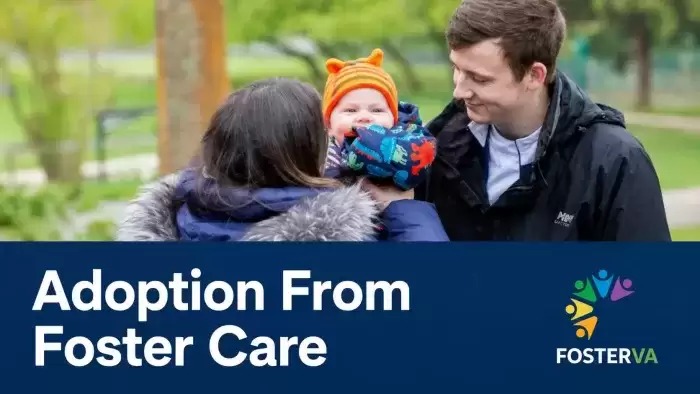
Adoption from foster care can be a life-changing journey for both children and families. While adoption provides the stability, security, and belonging that many children need, the adjustment process often requires patience, understanding, and consistent support. Children who have experienced trauma, loss, or multiple placements may face challenges with trust, attachment, emotions, and behavior as they adapt to their new home.
Updated: Jun 2, 2026
There is no denying the positive effect an adoption from foster care can have on transforming a child’s life, yet the transition is often challenging. For the children who come into adoptive homes through foster care, there is often a history of trauma, loss, and instability, or perhaps several placements before they have found a permanent home. And while adoption offers them safety and long-term support, it takes time, patience, and significant emotional reassurance for them to feel truly comfortable in their new surroundings.
Adoptive parents need to understand the emotional and behavioral challenges a child may bring with them through adoption from foster care. Adjustment does not happen overnight. Some kids will adapt quickly; others could experience difficulties with trust, attachment, or school for months, if not years.
Understanding the Emotional Impact of Adoption from Foster Care
According to Child Welfare Information Gateway Adoption Resources, children adopted from foster care often benefit from stable relationships, emotional support, and trauma-informed parenting approaches. But why is it so hard? The explanation often relates to their past experiences. Many have experienced abuse, neglect, or family separation. Those old experiences don’t simply disappear and can still influence their behavior and development.
A child might fear abandonment, or he may have trouble trusting an adult. You might see him repeatedly test your boundaries, or become anxious about small changes. There can be grief for his biological family or social and emotional difficulties at school. In many ways, the emotions are complicated: a sense of relief at having stability, but also sadness over what he has left behind.
Research on trauma states that it can impact a child’s brain development and how they form relationships and regulate their feelings.
Common emotional challenges may include:
- Fear of abandonment
- Difficulty trusting adults
- Anxiety around change
- Emotional struggles at school
- Grief related to biological family members
Building Trust After Adoption
Developing trust is perhaps one of the greatest challenges. After repeated disappointments and changed caregivers, a child from foster care may have a hard time believing you will be as dependable as you say.
He may test boundaries, not out of malice, but to see if this relationship is trustworthy and stable. If you can be calm and supportive during stressful moments, you will help him feel more secure. This is done by following through on what you say, being consistent with discipline, and respecting his space.
Trust is often built through:
- Consistency
- Predictable routines
- Calm communication
- Respect for boundaries
- Emotional patience
Why Routine and Stability Matter
Routine also plays an important role. Kids who have had an unstable past tend to respond to structure. A predictable bedtime, set times for meals and homework, and clear expectations in the house can all help ease anxiety and give a child a sense of stability. It helps to have consistency outside the home as well, with schools and friends.
Helpful routines may include:
- Consistent meal times
- Homework schedules
- Bedtime routines
- Family activities
- Clear household expectations
Managing Behavioral Challenges
You may also notice behavioral challenges. Foster parents becoming adoptive parents will sometimes see anger, defiance, withdrawal, or an inability to concentrate. Don’t mistake this for intentional disobedience; it is frequently the expression of old trauma. Children who have been emotionally overwhelmed for a while may not yet feel emotionally safe.
Trauma-informed parenting is about understanding the cause of the behavior and responding with empathy and awareness, rather than reacting only to the behavior itself. That is not to say you remove discipline; rather, you apply it consistently and with understanding.
Behavioral struggles may include:
- Anger or frustration
- Withdrawal
- Defiance
- Difficulty concentrating
- Emotional reactions to stress
Making Children Feel They Are Part of the Family
For a child coming from foster care, it can be important to have reassurance that they are genuinely accepted in their new home. Insecurity and a fear of rejection are not uncommon as they adjust to their new environment.
There are ways for adoptive parents to help a child feel more welcomed and included:
- Be sure to involve them in what the family does, whether that is continuing old traditions or celebrating an achievement
- Display family photos
- Make time for one-on-one bonding
- Have open talks with them
- Always show respect for their personal history
Don’t become discouraged if a child is slow to show affection or become emotionally connected; give it time. Most relationships will grow naturally through daily routines and shared experiences.
School and Social Life
The transition to school can be challenging after an adoption, particularly if the child has had his education interrupted or has been in several placements. You might find he is having trouble trusting a teacher, feels excluded in a group, or is anxious. Some will fall behind simply due to the changes they have been through.
It is wise to stay connected with the school's teachers and counselors so you can better support your child’s needs. Encouraging him to try a hobby or join an activity is a good way to help improve confidence and make friends outside the home.
Some children may struggle with:
- Trusting teachers
- Social anxiety
- Feeling excluded
- Interrupted learning
- Academic adjustment
When It Comes to Foster Care and Adoption
Kids have many emotional and complicated feelings about their past and their biological families. If you avoid those topics, it can only add to their confusion or stress. The best approach is to be honest in a way they can understand, encourage them to express their emotions, and listen without passing judgment.
Do not criticize their birth family. When they come to you with sensitive questions about why they were in care or why they were adopted, a candid and supportive answer is often the most helpful way for them to understand it.
Getting Help
You don’t have to manage everything alone. Some families find it useful to use additional services like therapy or trauma-informed counseling to address emotional challenges. These services are there to help you with the behavioral, educational, and relationship difficulties that come once the adoption is finalized.
Whether it is for attachment issues, anxiety, or to improve how you communicate as a family, professional support can be beneficial. There is no failure in asking for it; in fact, getting help early on can help reduce larger problems later.
Professional support may help with:
- Attachment difficulties
- Anxiety and emotional stress
- Communication issues
- Behavioral concerns
- School adjustment
Looking to the Future
Adjustment requires time and does not happen overnight. You will see steady progress in some children and emotional changes in others. The most important thing is that you are patient and consistent.
A child who is given a stable environment, reassurance, and a sense of emotional safety will gradually feel more secure. With the right kind of parenting and communication, many will become stronger and more confident.
Creating a Stable Future
In the end, you are giving them an opportunity for stability and a sense of belonging. The challenges they face do not determine their future. As a parent, you need not be perfect, but you should be willing to support them through both setbacks and successes. With a good support system and time, your child will be able to build strong relationships and thrive in his new family.



Give a Child the Stability They Deserve
Every child deserves a safe, loving, and permanent home. If you're considering adoption from foster care or want to learn more about how you can make a lasting difference in a child's life, FOSTERVA is here to help. Explore resources, connect with experienced professionals, and take the next step toward building a brighter future for a child in need.
What are you waiting for? Click here to help a child in need!