

Foster Care Support in Virginia: Training, Resources & Help for Parents
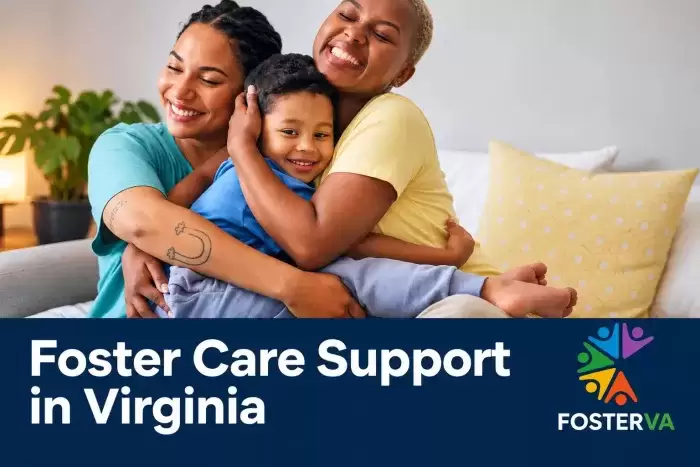
Explore the essential foster care support services available in Virginia, including financial assistance, healthcare, childcare, training, and respite care. Discover how caseworkers, support groups, and community resources help foster parents navigate daily challenges and support children’s well-being and family reunification.
Updated: Oct 14, 2026
Being a foster parent is about more than providing a safe home. Caregivers are called upon to help children come to terms with trauma, keep in touch with their families, do well in school, and make sense of new routines. In Virginia, foster parents have support to handle these duties, including caseworker guidance, financial aid, healthcare, and connections with other foster families.
What exactly does that support look like? An approved foster parent in Virginia can count on monthly maintenance payments for a child’s basic needs, Medicaid access, childcare funding, and the guidance of an assigned worker. Ongoing training is also available, and depending on the agency and the child’s situation, the agency may offer respite care and other services. It is wise to understand these resources before taking on a placement so you're ready for the practical and emotional side of caregiving.
This guide to foster care support in Virginia covers foster parent support, training and resources, financial assistance for foster parents, foster family services, and practical guidance for managing a placement.
Introduction to Ongoing Training and Support for Foster Parents in Virginia
While initial training equips a prospective parent with the basics, a child’s needs will evolve, and a parent may encounter situations that call for professional input. For this reason, Virginia mandates annual in-service training for all foster and adoptive home providers. The local department must provide learning opportunities on topics relevant to the family, from attachment and safe discipline to permanency planning.
A number of organizations put forth courses, conferences, and peer support that can be of use:
- Virginia Department of Social Services (VDSS)
- Foster Parent College
- Foster Care Academy
- The Center for Adoption Support and Education
- The North American Council on Adoptable Children (NACAC)
- The National Foster Parent Association
- Other resources, such as the Foster Care and Adoptive Community and the Foster Care Institute
Not all of these provide licensing training specific to Virginia. Check with the local department of social services or child-placing agency to confirm whether a course meets requirements and how to document it. VDSS also has manuals on foster care guidance, from case planning to maintenance payments.
Foster Parent Training Essentials
Continuing education is no mere formality; it allows caregivers to pick up on trauma-related behavior and know when to call in professional help. The best courses address the family's challenges. Some areas worth considering for foster parent training are:
- Trauma-informed approaches like Trust-Based Relational Intervention (TBRI)
- Fostering neurodivergent children or supporting LGBTQ+ youth
- Dealing with grief and loss
- How to parent foster teens and preteens
- Building a working relationship with birth parents
- Medication management and liaising with healthcare staff
- Preventing placement disruptions by responding safely to difficult behavior
These are available in various formats, from webinars to in-person workshops. Just make sure the provider is reputable, and the content aligns with your agency’s approval standards.
The Role of Peer Support Groups and Associations
The work can be isolating if your friends and relatives aren't familiar with the child welfare system. Peer groups are a good place to put common difficulties into words and get sound advice from those who have been there. You may hear seasoned foster parents talk through how they handle a family visit or set boundaries. For newer caregivers, it is a reminder that seeking help is part of the job.
Local In-Person Support Groups
Local in-person groups are available in most cities and counties, or you can ask the department of social services for a list. Formed Families Together and NAMI Virginia are examples, but do verify the group’s focus and schedule, as some cater more to adoptive or birth families.
Online Support Groups
For those in rural areas or with a tight schedule, online communities through the Child Welfare Information Gateway or relevant foster parent forums can help, as long as you keep the child’s identity and case details confidential.
Foster Care Association Support Services
State and local associations in Virginia, from NewFound Families to the Fairfax County and Shenandoah County associations, can offer advocacy, referrals, and networking. It pays to check their current service area before seeking their assistance. The Foster Virginia website is also a good source of information for prospective resource parents seeking Virginia foster care resources and foster family services.
Financial and Practical Support for Foster Parents
Approved families in Virginia are entitled to certain forms of financial assistance, though the amount depends on program rules and the child’s needs.
Do Foster Parents Receive Monthly Payments?
Do foster parents get paid? They do. The placing agency typically disburses foster care maintenance payments monthly to cover food, clothing, and shelter. An annual supplemental clothing allowance is another benefit the state makes available.
For children with more demanding behavioral, emotional, or physical care needs, an assessment using the Virginia Enhanced Maintenance Assessment Tool (VEMAT) can make them eligible for an enhanced maintenance payment. While these funds from the Virginia Department of Social Services are meant to see to the child’s needs, they should not be viewed as a salary.
Is Healthcare Covered for Children in Foster Care?
It is. Foster Virginia’s official FAQ confirms that Medicaid will cover the necessary treatment and healthcare for those in foster care. This can include medical and dental visits, prescriptions, and behavioral health services, depending on the child's needs. The caseworker can connect you with participating providers and handle the authorizations needed for ongoing treatment. Don't assume every service or provider is automatically covered; verify eligibility before arranging specialized treatment.
Can Foster Parents Receive Childcare Assistance?
They do. If resource parents work away from home, local social services departments can provide market-rate funding, per Foster Virginia. But standard subsidy rules differ from foster care, so check with the caseworker about payment limits and any required approvals before making arrangements.
What Other Practical Assistance Is Available?
The agency may provide respite care, therapeutic services, or even funding for certain activities and specialized needs. Knowing in advance which costs the maintenance payment covers and which require separate sign-off helps. A little clarity on the process, plus receipts on hand, can prevent misunderstandings down the line.
Therapeutic Services and Respite Care Options for Foster Children
Respite is there to give the foster parent a reprieve while the child is still in good hands, whether due to an illness, a family emergency, or simply the stress of caregiving. In some cases, therapeutic respite is an option for a child needing that extra support. Virginia regulations allow planned and emergency respite to keep placements stable, but under home approval standards, it cannot run longer than 14 days in a row.
Northern Virginia Family Services and the PSSF program may help, depending on the locality. Do not set up respite without first speaking with the placing agency or caseworker to get instructions on medication, transport, and emergency procedures.
Who Should Foster Parents Contact During a Crisis?
In a crisis, who is the point of contact?
Call the assigned caseworker or the placing agency's after-hours number first. Any foster family should know how to reach the responsible party after business hours and what steps to take if a placement is no longer tenable. Of course, 911 is for any immediate danger or medical emergency.
For an emotional or substance use crisis, the Suicide and Crisis Lifeline at 988 is available, as outlined by the Department of Behavioral Health and Developmental Services. But 988 does not replace the need to report a placement emergency to the caseworker and follow the agency’s protocol.
Working With Your Caseworker
In many ways, the caseworker is the most useful source of help for the household. This person coordinates the care plan and answers questions about the child’s goals, appointments, or daily care needs. It is better to voice a concern early on than let it become unmanageable.
Case Planning and Everyday Questions
The caseworker can field questions about the child’s goals, appointments, or daily care requirements. It is better to voice a concern early on than let it become unmanageable.
School and Medical Coordination
For school matters or medical referrals, the caseworker can clarify consent and authority.
Family Visits and Transportation
The same goes for family visits; the caseworker will outline the foster parent’s role in logistics and transportation.
Respite and Additional Services
If caregiving demands start to mount, the caseworker should be made aware. A worker is available to advise on options for respite, therapeutic services, further training, or other forms of assistance. It is also advisable to document important instructions, appointments, or requests in writing; this clear communication helps ensure the care team consistently addresses the child's needs.
Supporting Reunification: The Foster Parent’s Role
In Virginia, reunification is typically the foremost permanency objective when the circumstances warrant it. By definition, this means safely returning a child to their parents. Foster parents play an instrumental role by providing a stable environment as the family works with social services to address the issues that led to the placement.
To support the process, a foster parent might help the child prepare for visits with the family, be mindful of ties with siblings and parents, and keep the caseworker informed of relevant observations.
All of this should follow the child’s visitation and transition plans. It is not the place of the foster parent to view the biological parents as rivals or to unilaterally decide if the child is to go home.
The proper legal and case-planning channels handle these matters, with the child’s welfare first. If reunification isn't feasible, other options include adoption, guardianship, or kinship care. In that case, the caseworker can lay out the plan and how best to support the child through the change.
Frequently Asked Questions
Do Foster Parents Get Paid in Virginia?
For the most part, foster parents receive monthly maintenance to cover a child’s living costs, plus an annual clothing allowance. Some families may receive enhanced payments based on assessed needs. These are support payments for the child, not a salary. Verify the rates and payment method with the placing agency.
Who Do I Call in a Foster Care Crisis?
For urgent matters or placement concerns, contact the placing agency's after-hours line or the child’s caseworker. A medical emergency or immediate danger calls for 911. For a crisis of an emotional, mental health, or substance use nature, call or text 988.
Do Foster Children Receive Medicaid in Virginia?
They do. According to Foster Virginia, children in the system have Medicaid to cover necessary treatment. The caseworker can point you in the right direction to access that coverage.
Is Respite Care Available to Virginia Foster Parents?
Yes, either planned or in an emergency, though the responsible agency must approve it. Any arrangement must conform to the child’s safety and care plan, and the provider must meet the requirements.
Can Foster Parents Receive Childcare Assistance?
If a resource parent works away from home, local departments will provide market-rate funding for childcare, Foster Virginia says. Before making arrangements, check with the caseworker about who is approved and what authorization requires.
Conclusion
Being a foster parent in Virginia involves more than the initial training. From caseworker guidance to peer support and financial and service supports like Medicaid and respite, families have the resources to handle the practical and emotional side of fostering.
The best way to start is to establish a good rapport with the caseworker. Find out what's available and who to call in an emergency. Knowing the system lets you put a plan in place and give the child the steady, secure care he or she deserves.



Ready to become a more confident foster parent? Explore FosterVA’s resources and connect with your local social services department to learn about available support, training, and assistance.
What are you waiting for? Click here to help a child in need!