

How Do Foster Parents Support Children With Trauma?
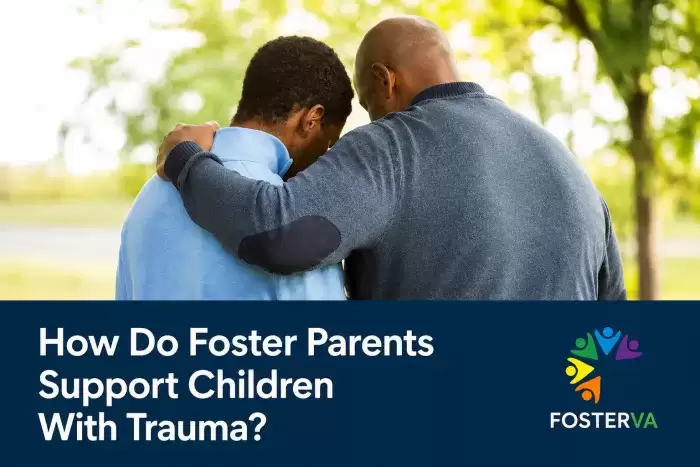
Healing from trauma takes time, patience, and a predictable environment. This article explores trauma-informed parenting strategies, coping techniques, mental health support, and practical ways foster parents can help children feel safe, secure, and supported.
Updated: Aug 17, 2026
Kids in foster care need a secure place to live, but very frequently, they also need help figuring out what has happened to them. Trauma shows itself in all sorts of ways, not always in obvious ones. Someone might become withdrawn, angry, or anxious, or behave in ways that are hard to deal with. Helping a child with that isn't about solving everything all at once; it's about slowly providing stability, trust, and a suitable environment.
Understanding Trauma in Foster Children
To start with, it’s really useful to understand what trauma looks like. For many fostered children, trauma comes from being ignored or harmed, from losing someone, or from abrupt changes in where they live. And that impacts how they deal with adults, how much they trust, and how they manage their feelings.
You could see things like:
- A difficulty with trusting adults
- Emotional outbursts
- Trouble with sleep or focus
- A fear of being left
These aren't simply ‘bad behavior’; they're reactions shaped by what they’ve been through. And actually recognizing that they are reactions to past experiences, rather than just behavior, is the beginning of giving useful help.
Creating Stability and Routine
The most important first step in providing help is being consistent. Because children who have been traumatized often come from chaotic situations, even small, regular routines can be a huge benefit.
Things as simple as:
- Regular mealtimes
- A daily schedule they can rely on
- Clearly stated expectations
All give a child a sense of control. Knowing what will happen next lowers worry and starts to build trust. A stable environment isn't about being flawless; it’s about being dependable.
Building Trust Over Time
Trust isn't built quickly, and certainly not by children who have been taught not to depend on adults. It’s developed by doing what you say you will, over and over.
This means:
- Following through on promises
- Remaining calm during tough times
- Allowing them space when they need it
A child will sometimes push at limits not to be difficult, but to see if you’ll act as people have in the past. Remaining steady in those situations is more important than getting an immediate change in their behavior.
Looking Beyond Behavior
One of the biggest things for foster parents to learn is to look past the behavior. When a child is acting out, they might be overwhelmed, afraid, or trying to regain some power.
Instead of immediately reacting, it's good to pause and ask yourself:
- What might be causing this?
- Is it about right now or something that happened earlier?
That doesn't mean not having boundaries; it means responding in a way that addresses the reason for the behavior, not just the behavior itself.
For a more in-depth understanding of how trauma influences behavior, this guide on dealing with trauma and healing for fostered children in Virginia is helpful.
Trauma-Informed Care Approach
Looking after someone using a trauma-informed approach means being understanding, patient, and providing structure. It isn't (and isn't trying to be) overly permissive, but about being deliberate in your responses.
Important parts of this include:
- Having rules that are clear but can bend when necessary
- Avoiding very strict punishments that create more fear
- Using a calm tone of voice instead of getting into arguments
Over time, this encourages children to feel safe expressing their feelings without expecting something bad to happen.
Supporting Mental Health
And importantly, getting professional help is a very big part of the process. Lots of children in foster care are helped by therapy, counseling, or specific support to help them work through their experiences. When you’re a foster parent, you aren't meant to be a replacement for the child's original family, but to be a support for them.
This support can involve:
- Going to therapy with the child when it’s helpful
- Reinforcing ways to deal with difficult feelings at home
- Keeping in touch with the professionals involved
You can learn more about supporting a foster child's mental health in Virginia with us.
Helping Children Build Coping Skills
Kids who have experienced trauma often need assistance with safely managing their emotions, and this takes both time and doing things over and over.
You can help by:
- Encouraging them to express themselves through drawing or writing
- Teaching easy breathing or calming exercises
- Making a peaceful place where they can calm down
These aren't quick answers, but they give children coping strategies they likely haven't had before.
Using Support Systems
Don't foster parents in isolation. Caseworkers, therapists, and support groups are all part of the foster parent experience. Staying in touch with these sources of help will allow you to get advice when things get too much, to know what's typical and what needs attention, and to change how you do things as the child's needs evolve.
For more complete help, refer to our guide to Virginia foster care support services for both new and experienced parents.
Taking Care of Yourself
Supporting a child who has been through trauma is emotionally draining, and if you’re constantly exhausted, it’s harder to be patient and think clearly. Because of this, looking after yourself isn't something extra to do; it's essential.
This might include:
- Taking breaks when you can
- Using respite care
- Talking to other foster parents
You’ll be in a much better place to help the child when you are supported.
Frequently Asked Questions
How do foster parents help children with trauma?
They create a safe and predictable environment for the child, build a relationship of trust, respond to behavior with empathy, and collaborate with mental health experts.
What is trauma-informed care?
It's a way of dealing with a child that focuses on understanding what they've been through and responding in a way that doesn't cause more fear or anxiety.
Do foster children in Virginia have access to therapy?
Yes, many do, and the foster care system provides them with therapy and mental health care.
How long does it take a child to recover from trauma?
There's no set amount of time. How well the child progresses depends on their experiences, the support they receive, and how consistently they receive it.
Can foster parents manage trauma on their own, without a professional?
It's important to have professional support. Foster parents are vital, but they are one part of a wider network of support.
Final Thoughts
Finally, helping a child with trauma isn't about solving things quickly. It’s about being steady, patient, and understanding the reasons behind the behavior you see. Improvement can be gradual and not always noticeable, but over time, the stability you offer becomes the base a child can start to build on. And it’s from that base that true change happens, not all at once, but slowly and steadily through many moments of support.



Looking for trusted guidance on supporting children in foster care? Visit Fosterva.org for expert resources, practical advice, and compassionate information to help you provide a safe, nurturing, and healing home.
What are you waiting for? Click here to help a child in need!