

How to Become a Foster Parent in Virginia: Requirements, Licensing and Adoption
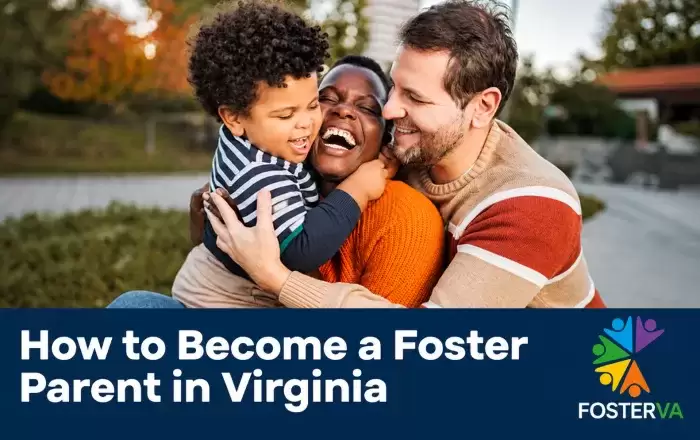
This guide explains how to become a foster parent in Virginia, covering state eligibility requirements, the application process, background checks, training, home studies, and licensing timelines. It also explores how to choose a foster care agency, what financial and practical support is available after approval, and when foster care may lead to adoption.
Updated: Nov 5, 2026
Prospective foster parents in Virginia must meet the state’s eligibility rules, complete a background check and pre-service training, and pass a home assessment to be approved. You can submit applications through either a licensed child-placing agency or your local department of social services.
To become a foster parent in Virginia, families must complete a process that prepares them to provide a safe, stable home for children who can no longer live with their parents. Understanding the Virginia foster care requirements is an important first step.
Being a foster parent is not just about having room for a child. It requires patience and flexibility, as well as a willingness to work with social workers and the birth family. Understanding what is required at each stage of the foster parent application process, and what support is available, will help determine whether it is a good fit for the household.
How to Become a Foster Parent in Virginia
Virginia has a 6-step process for those looking to foster: learn, connect, apply, train, get approved, and welcome a child. Each step helps determine whether the home can provide proper care. Anyone looking to become a foster parent in Virginia should understand what each stage involves before applying.
1. Get to Know Fostering and Make Contact With an Agency
Do some homework on the responsibilities and the various forms of foster care. One can reach out to the local department of social services (LDSS) or a private, licensed child-placing agency. For an official way to start understanding the process, Virginia’s Faster Families Highway is also available. It is a useful source of information on Virginia foster care for prospective applicants.
2. Put in the Application
When filling out the foster parent application, you'll need to provide details about your finances, employment, family history, and any prior experience with children. They may also ask for references and authorization for background checks. Be ready to discuss your support system, why you want to foster, and the ages or needs of children you can handle. This is an important part of the foster parent application process.
3. Undergo Training and Background Checks
Pre-service training is meant to equip applicants with the emotional and practical skills they need. Expect to cover such matters as trauma, child development, separation, safety, and how to deal with birth families. Background checks can include fingerprinting for criminal history, a review of driving records, and a check of the child abuse and neglect registry. Any other adults in the house are subject to the same requirements.
4. The Home Study and Approval
Known as a mutual family assessment, the home study verifies that the environment is suitable. This includes interviews, reference checks, health and financial information, and verification that the home is safe. Per regulation 22VAC40-131-180, licensed agencies in Virginia must conduct at least three face-to-face interviews with an applicant on different days, including one at the applicant’s home.
Virginia Foster Care Requirements: Who Can Apply?
Virginia’s requirements focus on whether an applicant can provide a safe, supportive home. The Virginia foster care requirements allow adults 18 and older to apply through a licensed agency, though some providers may have their own criteria. You don't need to be married or a homeowner; single people and couples can apply, and renters can qualify as long as they meet the space and safety standards.
- Applicants should be able to show:
- Financial soundness to cover the household's bills.
- A secure home with the right sleeping setup.
- The physical and emotional capacity to care for a child.
- A cooperative household that understands its duties and is willing to participate in training and screening.
A criminal past is not an automatic bar to all applicants, but certain convictions or findings of child abuse and neglect will preclude approval under the rules.
Foster Care Licensing Timeline in Virginia
The foster care licensing timeline has no set deadline that applies to everyone in Virginia. How long it takes to be licensed depends on when training is available, how the background and reference checks go, and when the home assessment is scheduled. While some families finish in about 90 to 120 days, this is only an estimate, and documentation or scheduling complications can add time.
To avoid unnecessary delays, applicants should submit complete paperwork, make reference arrangements early, attend training, and respond promptly to the licensing worker. Approval and placement are two distinct matters.
Approval does not mean a child will move into your home right away; placement depends on the child's needs, your household's capacity, and whether the arrangement is deemed suitable. Understanding the foster care licensing timeline can help applicants prepare for each stage.
Choosing Between Foster Care Agencies in Virginia
Families can apply through a local department of social services or a properly licensed private child-placing agency. While both follow Virginia’s regulations, they may differ in their support services, training, and programs. When comparing foster care agencies in Virginia, focus on what happens after you are approved rather than how quickly an agency says it can process the application.
Ask about caseworker availability, emergency help, respite care, and the kinds of placements they offer. Ask what support is available for children with therapeutic or behavioral needs and how foster parents are involved in family visits and care decisions.
Prospective applicants can check a provider’s standing with the directory of licensed agencies kept by the Virginia Department of Social Services. Comparing foster care agencies in Virginia can help families understand which services and support arrangements are available.
What Support Do Foster Parents Receive After Approval?
Caregivers don't have to handle every difficulty on their own. The state provides financial aid and other resources to foster parents in Virginia. The state provides monthly maintenance payments for basics like food, clothing, and housing; the amount depends on the child’s age and the applicable rules. Those who qualify may also receive help with childcare, transport, and enhanced care.
Children may be covered for healthcare and have access to medical, educational, and counseling services, depending on their situation. Ongoing caseworker guidance is part of the job. Before taking on a placement, ask about the child’s known needs, any medical appointments, and available support.
Foster Care and Adoption: Can Fostering Lead to Adoption?
It can, but being a foster parent is no guarantee of an eventual adoption. Virginia's system tends to prioritize reunification when it is safe and appropriate. A foster parent’s role is to provide stability and keep family ties intact during hard times.
If reunification is off the table, the court may order another permanent arrangement, whether with relatives, guardianship, or adoption. Those interested in foster care and adoption should know they are separate processes. Foster care is generally temporary; adoption creates a permanent legal bond. Understanding how foster care and adoption differ can help prospective parents make an informed decision.
Frequently Asked Questions
Can a Single Person Become a Foster Parent in Virginia?
Yes, as long as you meet the requirements and can provide appropriate care. Adults considering becoming a foster parent in Virginia can apply regardless of marital status, as long as they meet the applicable standards.
Is Homeownership Necessary to Foster a Child?
No. The home must meet safety standards and provide suitable living quarters.
Can I Work Full-Time?
Employment is not, by itself, a bar to fostering, but you must factor in work, transportation, and the child's schedule.
Where Can I Get Reliable Virginia Foster Care Information?
The Virginia Department of Social Services is the authority on eligibility, licensing, and the like. Its Faster Families Highway is a good place to start. Applicants can use official state resources to find more information about Virginia foster care.
Does Fostering Automatically Lead to Adoption?
Not at all. The aim is usually to reunite the child when it is safe. Adoption may occur only if the permanency plan changes and the law is followed.
Taking the First Step
For anyone in Virginia considering becoming a foster parent, the best first step is to understand the responsibilities and talk with a local department or licensed agency. With proper preparation, families can make the right call and give a child the care and stability called for.



Ready to make a difference in a child's life? Explore the foster parent application process with FosterVA and take the first step toward providing a child with a safe, supportive home.
What are you waiting for? Click here to help a child in need!