

Making a Difference: Your Path to Foster Parenting in Virginia
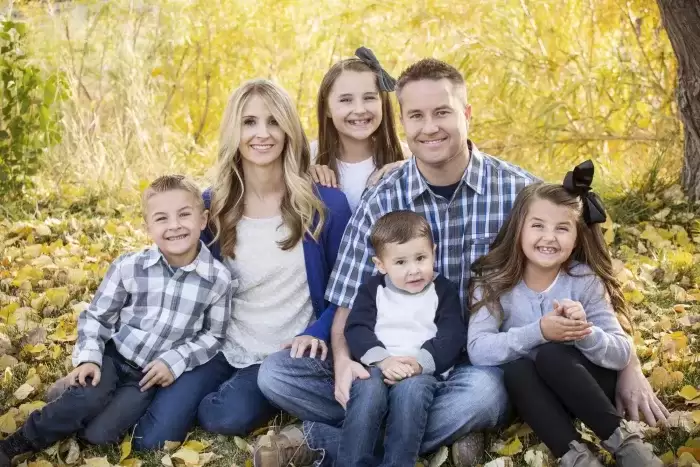
This blog provides a step-by-step guide to becoming a foster parent in Virginia, covering requirements, training, and the application process. It explains eligibility criteria, background checks, home study expectations, and ongoing support after placement. The article also highlights the growing need for foster parents and the impact they can have on children from traumatic backgrounds. It emphasizes preparation, community support, and the rewarding nature of fostering.
Updated: Apr 27, 2026
Introduction to Becoming a Foster Parent in Virginia
Suppose you're looking to become a foster parent in Virginia. In that case, you're entering a space that will be challenging but rewarding in every single way. This article should guide you through Virginia's foster parent application process and all the requirements for foster parents.
Fostering a child in Virginia can be daunting, but you need to approach it step by step to get a clearer picture. You need to first understand why these children need you and what you can gain from the experience before you decide to apply to become a foster parent in Virginia.
The Need for Foster Parents in VA
Now more than ever, there is a growing need for foster parents due to the increasing number of children coming into the system. In Virginia alone, there are over 5500 children currently in foster care. Of these 5500 children, about 800 are in the Central Virginia region.
These foster children need a safe place to live, as they are mainly coming from broken homes with a traumatic past. They need foster families who can understand their background and guide them through their developmental phase into adulthood.
Benefits of Becoming a Foster Parent
There are significantly fewer careers that are as fulfilling as foster parenting in Virginia. Suppose you're in the later years of your life and are looking for a new path to satisfy your compassionate side and make a real difference in your community. In that case, we can't recommend anything better than taking in a foster child. You'll be able to improve your parenting skills while also getting foster care tax credits.
Requirements and Qualifications for Foster Parents
The foster parent qualifications list may look lengthy for some. Still, the entire process is made to ensure the health and safety of all the children going through the foster care system. The system's primary goal is to find families for children, not children for families.
Eligibility Criteria for Foster Parents
The Virginia Department of Social Services listed the eligibility criteria for people looking to become foster parents in Virginia. Both parents must meet these criteria in a two-parent household. The foster parent requirements in Virginia are as follows:
- You must be at least 18 years old
- You must attend a one-time orientation meeting about foster parenting
- You must pass the pre-service training
- You must complete a home study
- You must participate in at least three face-to-face interviews
Background Checks and Assessments
The Virginia Department of Social Services also listed the background checks and assessments to be conducted on people looking to become foster parents in Virginia. Both parents must meet these criteria in a two-parent household. The background checks and assessments are:
- You must submit a National Fingerprint Criminal Record check
- You must submit a child abuse and neglect history check
- You must submit a DMV check
- You must provide a physician's report verifying that you are physically and mentally capable
- You must verify that you have enough income to provide for your family
- You must submit the names of three references
Training and Preparation for Foster Parents
Training and preparation for foster parents are essential to foster a child in Virginia. This section should guide you through all the resources you have at your disposal once you've set your mind to getting a foster license and giving a child in need access to your home.
Training Programs and Workshops for Foster Parents
The first thing you need to look out for is training programs. If you've applied to become a foster parent, you must go through pre-service training. This training can take about 40 hours, and you're required to pass it to go to the next stage of your application.
Aside from the official training programs the Department of Social Services regulates, you can also look for informal training programs and workshops in your area that your Child Placing agency offers. NGOs or other foster parents looking to expand their network in the area often conduct these workshops.
Resources for Prospective Foster Parents
If you're a prospective foster parent looking for resources, there is no better place to look than the internet. You can find a range of foster lawyers and other foster parents in your area who can help guide you through the process. You can also learn a thing or two from social media!
The Application and Approval Process
The wait can be stressful, from sending in your foster parent application to hearing back from your agency about a decision. However, if you've followed our step-by-step guide, you can rest assured that you've done the best you could at your end, and you will be successful. Your child placement agency ensures you are the right person to look after a child at the right time in your life.
Step-by-Step Guide to Application
The Department of Social Services has listed the following step-by-step guide to the foster parent application process in Virginia:
- You must complete a foster parent inquiry form
- You must fill out an application with all your details
- You must participate in three face-to-face interviews
- You must pass a criminal background check
- You must supply financial and health documents
- You must provide at least three references
Home Study and Evaluation
The home study and evaluation process takes several factors into account. It considers all aspects of the household to ensure the foster child is in safe hands. They are as follows:
- You must have adequate living quarters
- You must have a working telephone
- You must have good heat, lighting, ventilation, and plumbing
- You must have a sufficient number of bedrooms
- You must comply with zoning, building, fire, and safety codes
- The house must be free from hazards such as chemicals, tools, and weapons
Ongoing Support and Resources
Becoming a foster parent is only the first step. There is still a lot of learning you would need to do along the way. As long as you're willing to support your foster child in every way possible, there is no limit to the resources available to you after their placement.
Post-Placement Support and Services
Your agency will conduct regular post-placement visits to ensure the child is in a safe home and to help you settle into the process. They will ensure you've got everything you need to care for the needy child. You will also receive a regular stipend to care for the child, depending on their age.
Community Resources and Networks
The State of Virginia has quite a few foster parents, and we won't be surprised if you find one just a few blocks away from you. These foster parents are usually more than happy to lend you a hand and give you some tips to learn along the way. You can also find support groups on Facebook with many resources and information that can be helpful in most situations with your foster child.



Ready to take the first step toward fostering? Connect with a foster care advocate today to learn how you can open your home and support a child in need.
What are you waiting for? Click here to help a child in need!