

Phones for Foster Children: A Balanced, Real-World Approach
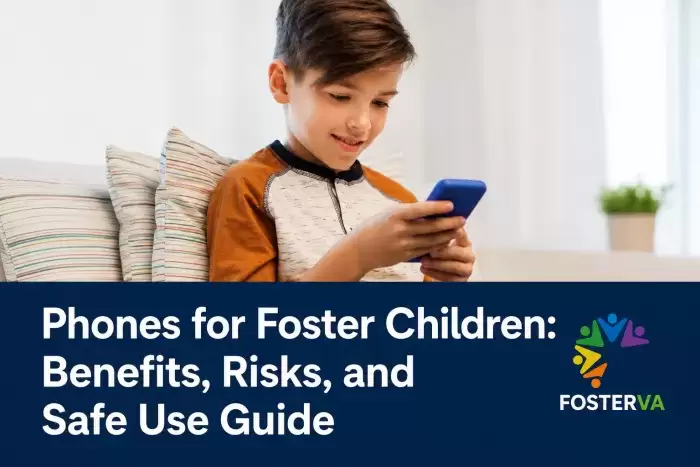
Phones can play a vital role in the lives of foster children by helping them stay connected to trusted relationships, access educational resources, and develop independence. This article explores the benefits and risks of phone use in foster care, along with practical strategies for choosing appropriate devices, setting boundaries, and promoting safe, balanced technology use.
Updated: Jun 4, 2026
For most young people, a phone is now essential, and for kids in foster care, it can be even more important. It's far more than just something to have fun with; it’s a vital link to others, a study aid, and a way to be part of what’s happening with friends.
However, thinking about a child in care's phone use requires a little more attention than it does for most families. It’s where their feelings, safety, and growing up all meet. The aim isn't just to give them a phone, but to help them use it in ways that benefit them, without exposing them to trouble.
Why Phones Matter in Foster Care
Kids in foster care move around a lot, and experience lots of change - in homes, at school, in their relationships. This makes it hard to feel settled. A phone, in that situation, provides something small, but really valuable: a bit of consistency. Studies show that staying in touch is key to being emotionally okay.
In fact, research from Queen’s University Belfast shows that regular phone calls help children in care maintain their relationships with family and friends, which really improves how they feel.
And it’s also about being with their friends. Pew Research Center says around 95% of US teenagers have smartphones, and almost half are on them pretty much all the time. Though that’s a general figure, it shows how central phones are to young people’s communication. So, a child in care without one can be quietly left out. Online chats, school information, friendships- a lot of this happens online. Without a phone, it's harder to join in, even if the place they are staying is stable.
How Phones Support Daily Life
Beyond just keeping in touch, a phone, when used carefully, can help a foster child in lots of ways. It's comforting to be able to reach someone they know - a brother or sister, or an adult they trust - and this can lower anxiety, especially when things are changing. Even a quick chat can help a child feel less alone.
A phone also helps them become more independent. Learning to manage their communication, understand boundaries, and be responsible online are all part of growing up. And for a child in foster care who might not have much control over other areas of their life, this is particularly useful.
Many schools now use digital systems to distribute homework, group projects, and messages from teachers. Without a phone, a child might fall behind, not because they aren't capable, but because they don't have the same access to the tools.
But, despite all the good things, phones do bring risks, and those risks are more sensitive when a child is in foster care. One big worry is unsafe or forbidden contact. A child might try to get in touch with someone they aren't allowed to. This can cause legal problems and upset them.
Online dangers are also important. Childnet International's reports continue to point out worries about encountering upsetting or unsuitable things online, cyberbullying and pressure from others, and getting in touch with strangers.
And too much time on a phone is a problem, too. The American Academy of Pediatrics has found that excessive screen time can disrupt sleep, make it harder to concentrate, and cause behavioral difficulties. These effects are made worse for a foster child who is already getting used to a new place. What might be a small issue in one family could be bigger in another.
Choosing the Right Type of Phone
The kind of phone isn't as important as how well it suits the child. It’s usually best to be careful and go slowly. Younger children, or those new to foster care, often do better with simpler phones. Those that just handle calls and texts but don't provide full internet access can provide a connection without too much risk at once.
Older teenagers usually need smartphones for school, friends, and just ordinary communication. With them, the focus moves from stopping things to giving advice. A good compromise is a smartphone with built-in controls.
These allow access to the important parts, while also managing app downloads, how long they're on the phone, and what they can see. This lets the child have a bit of a normal life while keeping them safe.
Setting Clear Boundaries
How well a phone works for a foster child depends a lot on having a clear structure. Without expectations, even a good phone can lead to issues. The rules should be simple, consistently followed, and easy to understand. For instance:
- no phones late at night
- phones away during meals or family time
- being very clear about who they are allowed to contact
Technology can help with these rules. Parental controls allow those looking after the child to manage how it's used without having to watch all the time. But they shouldn't replace talking. Open communication is vital.
Children should be able to talk about what they do online - the good and the bad. If they feel they can speak without being punished immediately, they are more likely to tell you about worries early.
Taking a Gradual Approach
Introducing a phone should be done slowly. Going gradually lets the child and those looking after them both get used to it. It’s often a good idea to:
- start with limited access
- watch how the child uses it
- then give them more freedom as you trust them
This lowers the risk while letting the child learn to be responsible. It’s not like they are immediately thrown into a world of everything at once. And as time goes on, striking that balance between allowing some freedom and maintaining rules becomes easier and easier. The phone then transforms into something they use and rely on each day, rather than a source of stress.
Final Thoughts
Essentially, phones can be a massive benefit to kids in foster care. They provide a lifeline to others, emotional encouragement, and a sense of belonging, all of which they so often crave. Yet they require a thoughtful touch, proper limits, and ongoing guidance.
It’s not the having of the phone that matters, but how it’s presented and supervised. When it’s done correctly, a phone can give a young person in care a stronger feeling of safety, a greater ability to reach people, and a better chance at navigating life.



Every child deserves a safe and supportive home. Reach out to FosterVA to explore foster care opportunities and discover how you can help create brighter futures for children in Virginia.
What are you waiting for? Click here to help a child in need!