

What Is a Clinical Specialist in Foster Care (Your Case Worker)?
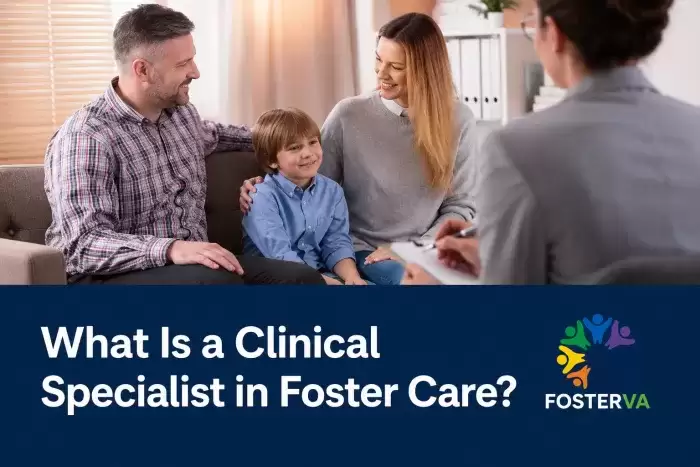
Clinical Specialists, commonly known as case workers, are central figures in the foster care system. This article explains their responsibilities, including case management, family support, service coordination, court involvement, and advocacy for children. It also explores how Clinical Specialists work alongside foster parents to promote safety, stability, and positive outcomes for children in care.
Updated: Jul 31, 2026
When a child enters foster care, you’ll see a number of professionals step in to make sure they’re safe, supported, and moving toward stability. At the heart of that is the clinical specialist in foster care. They work with youth, foster families, and the rest of the treatment team to ensure a child receives the care and advocacy they need.
For any foster parent or caregiver, it’s helpful to understand what a clinical specialist does. It makes the child welfare system easier to understand and helps you know who to turn to when you need guidance.
The Role of a Clinical Specialist in Foster Care
In short, a clinical specialist is there to help you and the young person in your home move toward permanency. The role involves advocacy, coordination, and making sure the child’s needs remain the priority in every service and decision.
They aren’t the ones making legal decisions about placement or handling court matters. Their job is to support foster families and connect youth with emotional, behavioral, and therapeutic services they may need. That can make a significant difference, especially since many children in foster care have experienced trauma, neglect, or abuse. A Clinical Specialist can help caregivers better understand how a child’s past experiences may affect their behavior and relationships. The Child Welfare Information Gateway explains that trauma-informed care plays an important role in helping children build resilience.
Why You Need a Clinical Specialist
A safe place to live is only one part of what many children in foster care need. Some also need emotional support, therapy, educational assistance, or an advocate for their needs.
That’s where the specialist comes in. They help bridge the gap between what a child needs and the support a family can provide, especially during periods of transition. They also help ensure caregivers have access to the right tools and community resources to support children successfully.
What They Do Day to Day
Every agency is a bit different, but here is what you can generally expect from a Clinical Specialist.
Advocating for the Youth
They advocate for the child within the foster care system. You’ll find them communicating with the DSS worker, the school, the therapist, and foster parents to help ensure important needs and services are not overlooked. They support stability and permanency goals, though they do not make the final decision about where a child is placed.
Supporting Foster Families
Supporting foster families is a major part of the role. Whether it’s helping caregivers understand difficult behaviors or simply offering support during stressful situations, a Clinical Specialist is there to help families navigate challenges with confidence.
Working With the Team
They stay in regular contact with everyone involved in the child’s life, including teachers, medical providers, therapists, and other support professionals. The goal is to ensure everyone works together and keeps the child’s needs at the center of care. Open communication often leads to better outcomes and a more stable environment for children in care.
Teaching Trauma-Informed Care
Many young people in foster care have experienced trauma. Clinical Specialists work with foster families to help them apply trauma-informed parenting strategies in everyday situations. They help caregivers recognize emotional triggers and respond to challenging behaviors in ways that support trust, healing, and stability.
Keeping Up With Agency Standards
There’s also an administrative side to the role. Clinical Specialists help ensure agency and licensing standards are met through accurate documentation and ongoing case support. Good documentation helps maintain consistency and continuity of care.
Involving Birth Families
Clinical Specialists are part of the treatment team, so they may communicate with birth families to provide updates about the child’s progress and needs when appropriate. However, responsibilities such as arranging visitation or making reunification recommendations are generally handled by the DSS worker.
The Legal Side of Foster Care
Foster care involves extensive documentation and legal procedures. While Clinical Specialists contribute information to the treatment team, they do not serve as legal representatives in court. DSS workers and CASA professionals are generally responsible for court recommendations and legal documentation.
The U.S. Children’s Bureau provides national guidance and oversight for child welfare and foster care services across the United States.
So, What’s the Difference Between a Clinical Specialist and a DSS Worker?
You might assume these roles are similar, but they serve different purposes. A DSS Family Service Worker typically handles legal case management, placement decisions, and planning related to the birth family.
A Clinical Specialist, on the other hand, focuses more on supporting foster families, advocating for youth needs, coordinating treatment services, and teaching trauma-informed care. The two roles work closely together while maintaining separate responsibilities.
Being There for the Family and the Youth
For many foster parents, the Clinical Specialist becomes one of their main points of contact. Being able to discuss concerns early can help prevent situations from becoming more difficult. For children, a Clinical Specialist can become a reliable and supportive presence. Many youth in care have experienced broken trust in the past, so building a strong relationship may take time and consistency.
It’s Not Always Easy
This is an emotionally demanding job. Clinical Specialists often manage many responsibilities and unique family situations at once. They regularly help families work through behavioral challenges, placement transitions, and emotional difficulties. The role requires patience, professionalism, and strong judgment.
What You Need to Succeed
A strong Clinical Specialist needs excellent communication skills, reliability, compassion, and professional judgment. The most effective professionals support foster families while always keeping the child’s best interests at the center of their work.



Have questions about foster care or working with a caseworker? Contact FosterVA to learn more about the support systems available to foster families and how dedicated professionals help children thrive throughout their foster care journey.
What are you waiting for? Click here to help a child in need!