

What Is PRIDE Training for Virginia Foster Parents?
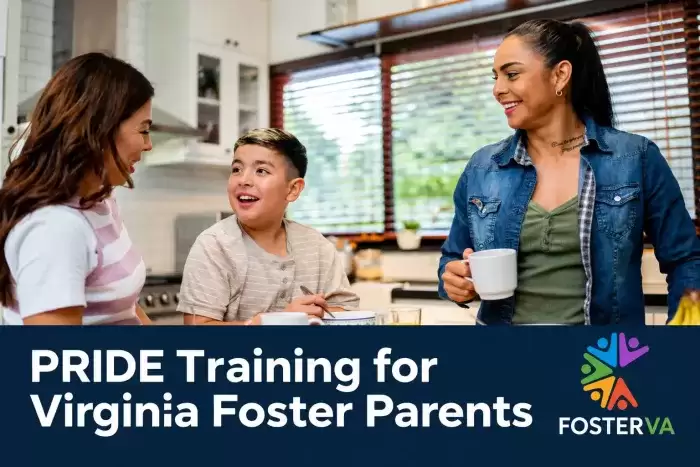
Discover what PRIDE training means for Virginia foster parents and why NTDC is now the state’s endorsed curriculum. This guide explains pre-service training, trauma-informed caregiving, self-assessment, classroom instruction, Right-Time Training, and the steps involved in becoming an approved foster parent.
Updated: Oct 14, 2026
PRIDE, an acronym for Parent Resources for Information, Development and Education, has long been the pre-service training of choice for foster and adoptive families. It is a structured program meant to equip prospective parents with what they need to care for children who have known trauma, instability, loss, or separation.
Virginia families should be aware of a change. As of October 1, 2025, the state has moved on from PRIDE and TOCC. The National Training and Development Curriculum for Foster and Adoptive Parents (NTDC) is now Virginia's endorsed curriculum.
Is PRIDE Training for Virginia Parents Still Required?
In short, no. While foster parent training remains a requirement for anyone looking to become a foster parent in Virginia, PRIDE is no longer the state’s approved path for new resource parents. You may come across older references to PRIDE in your research, but the caregiver licensing agency or local department of social services can set the record straight on current requirements and confirm that you will be undertaking NTDC.
What Does the Training Include?
The goal of any pre-service training, whether it was called PRIDE in the past or is now NTDC, is to ready a caregiver for the realities of the job. Virginia regulations require licensed child-placing agencies and local departments of social services to provide this as part of the home approval process. It is a necessary step toward obtaining a license, though it does not confer one on its own.
The competencies covered are specific. In addition to positive, nonphysical discipline and the rights and responsibilities of a foster parent, the curriculum deals with:
- Child development and delays
- The impact of abuse, neglect and trauma
- Grief, separation and loss
- Attachment issues and reunification
- Cultural identity and birth family dynamics
- Crisis management and behavior support
In effect, it is more than just basic parenting instruction. Prospective parents learn how a child’s past can shape their ability to trust and behave.
How Does Foster Parent Training Prepare for Trauma?
A key element of the training is fostering an understanding of trauma-informed parenting. A child in the system may have had multiple placements or been separated from parents, which can color how he or she handles emotions or interacts with adults.
Consider a child who won't follow a routine; to the untrained eye, he may be “difficult,” but training helps the caregiver recognize that the behavior could stem from fear, a lack of control, or difficulty with trust. The approach is to offer safety, patience and consistency.
Why the Switch to NTDC?
Virginia transitioned to the NTDC to better serve its resource parents. The NTDC is designed to help those caring for children with histories of trauma and loss through a mix of self-assessment, classroom work, and “Right-Time” training that offers information when it is most needed.
Under the current NTDC model in Virginia, there are distinct components:
1. Self-Assessment
This allows the prospective caregiver to understand their own values, attitudes, and where additional support might be useful.
2. Classroom-Based Training
Here, the focus is on building the skills and knowledge essential for working with children who have experienced separation and trauma.
If you are considering becoming a foster parent in Virginia, do not be put off by mentions of PRIDE in older articles or websites. Your licensing agency will guide you through the current NTDC requirements. Virginia has established training tracks to suit the various circumstances of resource families, whether relative or non-relative parents.
3. Right-Time Training
Through NTDC, Virginia offers Right-Time Training. This training provides practical tools and information to caregivers as new scenarios arise, helping them address a child’s evolving needs or developmental issues once placed in the home. The idea is that a foster parent’s education should not end when a child is welcomed into the household.
Is Foster Parent Training the Whole of the Virginia Licensing Process?
Not at all. While it's part of the approval process, the licensing or approving agency in Virginia must do more. They must conduct a home study, ensure the home meets standards, and evaluate whether the prospective provider can properly care for children and has the right training for the children they might receive.
The path to approval will differ by agency and the type of care involved, but generally it entails:
- Orientation
- Pre-service training
- An application with the necessary documentation
- Background checks
- A home study and assessment of safety requirements
- References and interviews
- Final agency approval
- And training that continues after one is approved
Given these variations, would-be foster parents should verify the procedure with their local department of social services or a licensed child-placing agency.
Once Licensed, Is Training Still Mandatory?
Yes. Virginia state regulations require ongoing training for any approved provider annually, or whenever the licensing agency deems it necessary. The training must be pertinent to the families being served.
Fairfax County, for instance, still requires foster parents to complete training to keep their license in good standing, covering topics like trauma-informed parenting and working with a child’s family. It is a necessary step since a foster child’s needs are not static; a caregiver may have to learn more about attachment, mental health, behavioral issues, or adolescence down the road.
How Does This Figure Into Foster Parent Certification?
Completing a course is only part of the certification process. The training shows the prospective caregiver is prepared, but the agency makes the final evaluation of the home and the parent’s capacity to provide safe care. In fact, having the required training on file is a condition for both initial and renewed approval. It is an important part of becoming an approved caregiver, but not the whole process.
FAQs About PRIDE and Foster Parent Training in Virginia
1. Is PRIDE Still the Method of Choice?
As of October 1, 2025, the state has transitioned from PRIDE and TOCC to NTDC as the endorsed curriculum for foster and adoptive parents. Check with the local licensing agency for the latest.
2. What Exactly Is PRIDE?
It stands for Parent Resources for Information, Development, and Education. For years, it has been the pre-service training curriculum for foster and adoptive parents.
3. What Constitutes Pre-Service Training?
Virginia considers it the instruction a provider gets during the initial stages of approval.
4. Are There Set Hour Requirements?
Some Virginia providers have pointed to a 40-hour program for initial training in the past, but requirements are at the agency's discretion. It is wiser to ask the licensing agency for the current schedule than to go by an old hour count.
5. Will I Be Taught Trauma-Informed Caregiving?
You will. The competencies Virginia requires cover trauma, abuse and neglect, grief, behavior support, and the like.
The Bottom Line
While many know the PRIDE curriculum, NTDC is now Virginia's standard following the 2025 changeover. For anyone looking to become a foster parent, foster parent training is indispensable to the Virginia foster care licensing process. It is what equips a caregiver to handle the responsibilities of being on a child’s professional care team, from understanding permanency and safety to dealing with loss and attachment. To get started and ensure you comply with all foster care requirements, contact your local Virginia Department of Social Services.



Ready to become a foster parent in Virginia? Connect with your local Department of Social Services or a licensed child-placing agency to learn about current NTDC training requirements and start your foster care journey.
What are you waiting for? Click here to help a child in need!