

What Support Is Available for Foster Parents in Virginia?
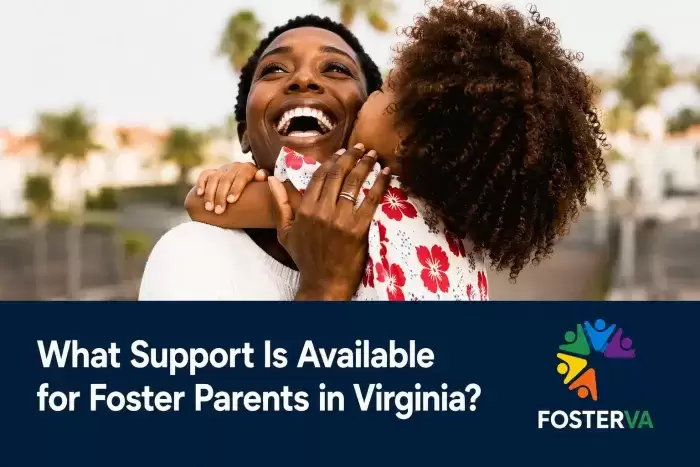
Virginia provides a wide range of support services to help foster parents care for children with confidence. From financial assistance and Medicaid coverage to caseworker guidance, continuing education, respite care, and support networks, this article explains the resources available throughout your fostering journey.
Updated: Sep 2, 2026
If you are already fostering or considering it, you don't have to do it all by yourself. Virginia has support for the practical, financial, and emotional demands of fostering. The key is knowing what is there and actually using it when you need it.
Financial Support for Foster Parents in Virginia
Virginia's foster parents get a monthly payment to help with a child's care. This isn't a salary or a replacement for your usual income; it's for day-to-day expenses like food, clothes, transport, and other essentials, so you won't have to pay for them yourself. The specific amount depends on the child; older children and those with extra needs will generally have a higher allowance.
And in certain cases, you might receive financial assistance for things like school supplies or approved activities. For a more detailed explanation of how the money works, see the financial support available to foster parents in Virginia.
Medical and Healthcare Support
Healthcare is a big worry for new foster parents, but it’s relatively straightforward. Medicaid covers children in care, so most medical care won't cost you anything, including routine checkups, dental appointments, eyesight tests, therapy, and medications. More specialist treatment can be arranged if it’s necessary. You won't be left to sort out doctors or bills on your own.
You can learn more about health coverage for children in foster care through Virginia Cardinal Care (Virginia Medicaid).
Training and Ongoing Education
Before you are approved as a foster carer, you’ll receive training. This isn't just a formality; it's where you begin to understand the foster system. You'll learn about trauma, children's behavior, how to communicate, and what to expect during a placement. But it doesn't end with the initial course.
Once you're a foster carer, you can continue to get training to help with new issues as they arise. Some is mandatory, some is optional, but it all aims to make you feel more confident and less like you’re making it up as you go. If you want to learn more about the training required to become a Virginia foster parent, this article will explain all the training you need.
Caseworker and Agency Support
You aren't expected to cope with everything independently. Each foster family has a caseworker as their main contact for anything that happens, forms, problems at school, behavioral difficulties, or if they simply need clarification.
Agencies also make regular contact and get involved when things become difficult. If a situation is too much to deal with, there’s someone to phone. This continued support is a really important element of the overall system.
Respite Care and Practical Help
Fostering can be very demanding, and especially so over a long period. Respite care is designed for this. It allows you to have a short break while another approved carer looks after the child. You won't need it all the time, but when you do, it really helps. It prevents you from becoming completely exhausted and gives you time to recharge without interrupting the child's care. And depending on your circumstances, you might get help with scheduling, getting around, or the everyday stuff of life. These aren't usually the first things mentioned, but they are available when you need them.
Emotional and Mental Health Support
Emotional and mental health support is often missed at the beginning. Children in foster care may have had experiences that affect their behavior, and dealing with these needs can help. Virginia provides therapy and mental health care for children who are in care, and you are not expected to manage this by yourself.
Professionals are there to help, and you can get advice on how to respond in truly helpful ways. There are also support groups for foster parents to get in touch with others in the same situation; in fact, speaking to someone who understands what you’re going through is often more useful than reading a manual.
Community and Support Networks
Alongside the official arrangements, there’s another layer of support from the community. Local groups, charities, and even other foster families can provide more personal help. This could be donated clothes, a tutor, or simply having someone to phone who understands your difficulties. These relationships can become as valuable as official support over time.
For a complete list of available help, this guide to Virginia’s foster care support services is a good place to start.
FAQs About Support for Virginia Foster Parents
Do foster parents get money in Virginia?
Yes, they do. Foster parents receive a monthly allowance for everyday expenses such as food, clothing, and transportation. The amount depends on the child’s specific needs, but it’s intended to cover the costs of their care, not to be considered income.
Is healthcare paid for for foster children?
Yes, it is. Children in foster care are covered by Medicaid, including visits to the doctor, therapy, medication, and other essential health care.
What is respite care?
Respite care is when another approved carer looks after the child for a short time. It provides foster parents with a break when they need one, whilst the child still gets the care they need.
Do foster parents have to have training?
Yes. Training needs to be approved and continue afterward. It will help you deal with real-life situations, particularly those relating to behavior and trauma.
What ongoing support is there?
Foster parents can use caseworkers, agencies, training, mental health services, and community groups. The system is designed to provide support, so you aren't expected to do everything alone.
Final Thoughts
Finally, fostering isn't about being perfect. It’s about being supported. Virginia has created systems to give foster parents everything they need, financially, practically, and emotionally. The more you use these supports, the easier fostering will be. And the aim is really that: not to do it on your own, but with the right support around you.



Ready to learn more about the support available to foster families? Visit Fosterva.org for trusted guidance, practical resources, and expert information on financial assistance, training, and the services that help foster parents succeed in Virginia.
What are you waiting for? Click here to help a child in need!