

Why Therapy Dogs Help Children in Foster Care Heal and Thrive
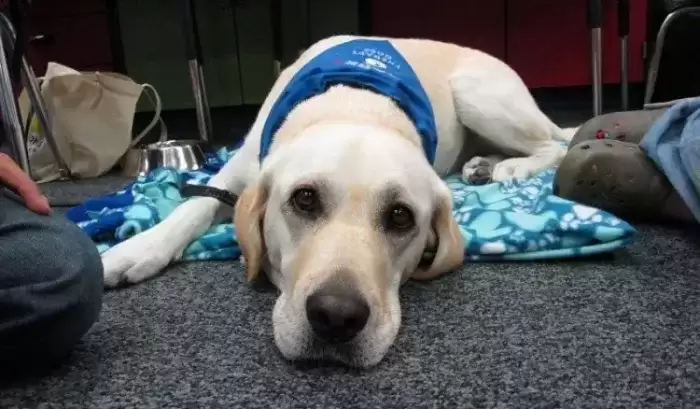
Children entering foster care often carry the effects of trauma, loss, and uncertainty. While traditional therapy remains important, therapy dogs can provide comfort, emotional support, and a sense of safety that helps children open up and begin the healing process. Learn how therapy dogs support children in foster care, why they are effective, and how foster parents can use animal-assisted approaches to help children build trust, confidence, and resilience.
Updated: Jun 1, 2026
Quick Answer
Therapy dogs help many children in foster care feel safe, calm, and emotionally supported. Children who have experienced abuse, neglect, separation, or multiple placements often struggle to trust adults. A therapy dog provides unconditional acceptance and companionship, helping children reduce anxiety, regulate emotions, and develop healthy connections.
For foster parents, understanding trauma-informed parenting strategies is essential. Many families discover that combining traditional support services with approaches such as animal-assisted therapy can help children feel more secure. Families interested in supporting children who have experienced trauma can learn more about foster parent training, parenting children from hard places, and becoming a foster parent in Virginia through FosterVA.
Key Facts
- Therapy dogs can help reduce anxiety and emotional stress in children.
- Animal-assisted therapy is increasingly used in trauma recovery programs.
- Children often find it easier to trust animals before trusting adults.
- Therapy dogs provide consistent emotional support and companionship.
- Positive interactions with animals can improve self-esteem and confidence.
- Foster youth who have experienced trauma may benefit from animal-assisted interventions.
- Therapy dogs can help children practice empathy, responsibility, and healthy relationships.
- Stable, supportive foster homes remain one of the most important factors in helping children heal.
Why Children in Foster Care Often Struggle With Trust
Many children enter foster care after experiencing significant trauma. Abuse, neglect, family separation, and instability can make it difficult for children to trust adults or feel safe in new environments.
When children have experienced broken relationships, they may become guarded, withdrawn, or fearful. Foster parents often learn through foster parent training that trust is built slowly through consistency, patience, and predictable caregiving.
The Impact of Trauma on Relationships
Trauma affects how children view the world around them. Some children may expect rejection, while others may struggle to regulate emotions or form healthy attachments.
This is why trauma-informed parenting approaches are so important. Children often need repeated experiences of safety and connection before they begin to trust the adults who care for them.
How Therapy Dogs Help Children Heal
Therapy dogs provide something many children desperately need: a relationship free from judgment.
Unlike adults, dogs do not ask difficult questions, criticize behavior, or expect explanations. They simply offer companionship, affection, and acceptance.
Reducing Anxiety and Stress
Many children report feeling calmer when interacting with animals. Petting a dog, playing fetch, or simply sitting with an animal can help reduce stress and create a sense of emotional safety.
For children adjusting to a new foster home, these interactions can be especially valuable during the first days and weeks after placement.
Building Confidence
Therapy dogs can also help children build confidence and self-esteem.
Children who struggle socially may find it easier to interact with an animal than with other people. Over time, positive experiences with a therapy dog can help children develop confidence that carries into other relationships.
Encouraging Emotional Expression
Some children find it easier to talk about their feelings while interacting with a therapy animal. Foster parents and therapists often observe that children become more willing to share thoughts and emotions when they feel relaxed and supported.
Benefits for Foster Parents
Therapy dogs do not just benefit children. They can also help foster parents create a calmer home environment.
Children who feel safe and regulated are often better able to participate in family activities, school, and therapy. Foster parents who utilize multiple support resources—including trauma-informed parenting techniques, respite care, and community support—often report better outcomes for children in their care.
Families considering fostering can learn more about foster parent requirements and the support available throughout the foster care journey.
Not Every Dog Is a Therapy Dog
It is important to understand that therapy dogs receive specialized training to work with children and individuals facing emotional challenges.
While family pets can certainly provide comfort and companionship, certified therapy dogs are trained to remain calm, predictable, and responsive in a variety of settings.
Safety Considerations
Before introducing any animal into a foster home, parents should consider:
- Allergies
- Previous traumatic experiences involving animals
- The child's comfort level
- The animal's temperament
- Safety and supervision requirements
Each child is unique, and what works for one child may not work for another.
The Power of Unconditional Love
One of the most remarkable things about therapy dogs is their ability to provide unconditional love.
For children who have experienced rejection, loss, or instability, a therapy dog may be one of the first relationships that feels completely safe. While a dog cannot replace a loving family, therapy animals can become an important part of a child's healing journey.
Combined with the stability of a nurturing foster home, supportive services, and caring adults, therapy dogs can help children develop trust, confidence, and hope for the future.
Frequently Asked Questions
What is a therapy dog?
A therapy dog is a specially trained dog that provides emotional comfort and support to people in hospitals, schools, counseling settings, and other environments.
Can therapy dogs help children who have experienced trauma?
Yes. Many therapists and child welfare professionals use animal-assisted therapy to help children reduce anxiety, build trust, and process difficult emotions.
Are therapy dogs used in foster care?
Some foster care agencies, therapists, schools, and counseling programs incorporate therapy dogs into services for children who have experienced trauma.
Can foster parents use therapy dogs at home?
Many foster families find that therapy animals or well-trained family pets can provide comfort and companionship for children. However, each child's needs and experiences should be considered before introducing an animal into the home.
How can I help children in foster care?
One of the most meaningful ways to help is by becoming a foster parent. Foster parents provide safe, stable homes where children can heal, grow, and build brighter futures.
Help a Child Find Healing
Healing from trauma takes time, patience, and support. Whether that support comes from a caring foster parent, a trusted therapist, or a therapy dog with a wagging tail, every positive connection helps a child move forward. By opening your heart and home, you can become part of that healing journey.
Please learn about the solution to help a child today. Thank you




Every child deserves to feel safe, valued, and loved. By becoming a foster parent, you can provide the stability, encouragement, and support a child needs to heal from the past and build hope for the future.
What are you waiting for? Click here to help a child in need!